Telling Time in Chinese: Complete Guide to Hours, Days, Months, and Seasons
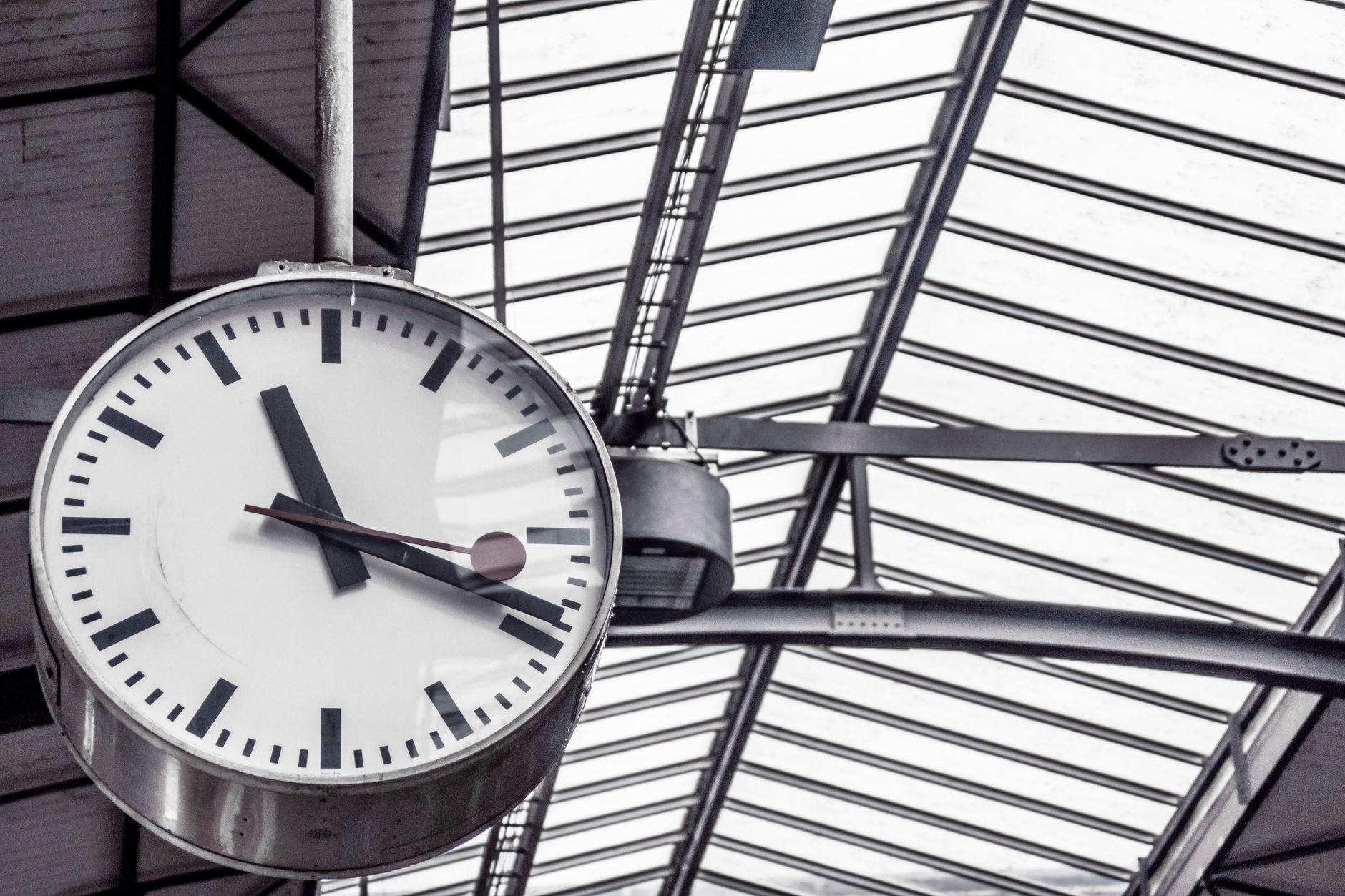
Time expressions are some of the most practical vocabulary in any language. Whether you are making plans, catching a flight, or telling someone when to meet, you need to express time clearly. The good news? Chinese time expressions are incredibly logical — months are just numbers, days follow a pattern, and clock time uses a simple formula.
This guide covers everything from telling the exact time to expressing duration, frequency, and relative time words. By the end, you will be able to handle any time-related conversation in Chinese.
One of the biggest advantages for Chinese learners is that the language treats time with mathematical precision. There are no irregular month names to memorize, no confusing ordinal suffixes for dates, and no conjugation changes based on tense. Once you learn the core building blocks, you can construct virtually any time expression by combining simple elements. This systematic approach means that a beginner who knows their Chinese numbers can start telling time almost immediately.
Clock Time: Hours and Minutes
Chinese clock time uses a simple formula: number + 点 (diǎn) for hours and number + 分 (fēn) for minutes.
The word 点 literally means "dot" or "point," which makes sense when you think of a clock face — the hour hand points to a number. For minutes, 分 means "divide" or "portion," referring to the divisions of an hour. When someone asks you 几点了? (jǐ diǎn le — What time is it?), this is your cue to respond with the clock time formula.
There are also special shorthand terms that make telling time faster and more natural. The word 半 (bàn) means "half" and always represents 30 minutes. The word 刻 (kè) means "quarter" and represents 15 minutes. Chinese speakers use these shortcuts constantly in daily conversation, so it is worth memorizing them early. You will also encounter 差 (chà), which means "lacking" or "short of," used to express time as minutes before the next hour — for instance, 差五分六点 means "five minutes to six."
| Time | Chinese | Pinyin | Note |
|---|---|---|---|
| 3:00 | 三点 | sān diǎn | 点 = o'clock |
| 3:15 | 三点一刻 / 三点十五分 | sān diǎn yí kè | 刻 = quarter |
| 3:30 | 三点半 | sān diǎn bàn | 半 = half |
| 3:45 | 三点三刻 / 三点四十五分 | sān diǎn sān kè | 三刻 = three quarters |
| 3:05 | 三点零五分 | sān diǎn líng wǔ fēn | 零 fills the tens digit |
| 12:00 | 十二点 | shí'èr diǎn | Noon or midnight (add context) |
| 2:58 | 差两分三点 / 两点五十八分 | chà liǎng fēn sān diǎn | 差 = lacking (two minutes to three) |
One important detail: Chinese commonly uses a 12-hour clock in conversation, relying on time-of-day words to distinguish AM from PM. However, in formal or official contexts such as train schedules, military communication, and news broadcasts, the 24-hour clock is standard. In the 24-hour format, you replace 点 with the more formal 时 (shí): for example, 14时30分 means 2:30 PM. For everyday speaking, always stick with 点.
Time of Day: Morning to Night
Chinese divides the day into more specific time periods than English does. While English essentially has morning, afternoon, evening, and night, Chinese adds 凌晨 (língchén) for the small hours after midnight and distinguishes between 早上 (early morning) and 上午 (late morning or formal AM). Understanding these distinctions helps you sound more natural and precise.
| Period | Chinese | Pinyin | Approximate Time |
|---|---|---|---|
| Early morning | 凌晨 | língchén | 12am - 5am |
| Morning | 早上 / 上午 | zǎoshang / shàngwǔ | 5am - 12pm |
| Noon | 中午 | zhōngwǔ | 11am - 1pm |
| Afternoon | 下午 | xiàwǔ | 12pm - 6pm |
| Evening | 晚上 | wǎnshang | 6pm - 12am |
Place these before the clock time: 下午三点 (3 PM), 早上七点半 (7:30 AM), 晚上十一点 (11 PM).
These time-of-day markers are also used in common greetings and daily phrases. You can say 早上好 (zǎoshang hǎo — good morning), 下午好 (xiàwǔ hǎo — good afternoon), and 晚上好 (wǎnshang hǎo — good evening). When making plans, you might say something like 我们下午两点见吧 (wǒmen xiàwǔ liǎng diǎn jiàn ba — Let us meet at 2 PM). Notice how the time-of-day word, the clock time, and the verb all line up in a natural order.
A practical tip: when you need to specify an exact time for an appointment or meeting, always include the time-of-day word to avoid ambiguity. Saying 三点 alone could be confused between 3 AM and 3 PM, so adding 下午三点 or 凌晨三点 makes your meaning perfectly clear. This is especially important in text messages and written communication where context may be limited.
Days of the Week
| Day | 星期 version | 周 version | Pinyin |
|---|---|---|---|
| Monday | 星期一 | 周一 | xīngqī yī / zhōu yī |
| Tuesday | 星期二 | 周二 | xīngqī èr / zhōu èr |
| Wednesday | 星期三 | 周三 | xīngqī sān / zhōu sān |
| Thursday | 星期四 | 周四 | xīngqī sì / zhōu sì |
| Friday | 星期五 | 周五 | xīngqī wǔ / zhōu wǔ |
| Saturday | 星期六 | 周六 | xīngqī liù / zhōu liù |
| Sunday | 星期天 / 星期日 | 周日 | xīngqī tiān / zhōu rì |
The 星期 system is more traditional and slightly more formal, while the 周 system is shorter and very common in casual speech, text messages, and workplace communication. Both are universally understood, so you can use whichever feels more comfortable. In Taiwan, you may also hear 礼拜 (lǐbài) used in place of 星期, so 礼拜一 means Monday. This variant is perfectly standard in Taiwanese Mandarin.
To ask what day it is, you say 今天星期几? (jīntiān xīngqī jǐ — What day is today?). The response follows the same pattern: 今天星期三 (Today is Wednesday). To talk about things that happen on a specific day, simply place the day before the verb: 我星期五去北京 (I am going to Beijing on Friday).
Months, Dates, and Years
Chinese uses the most logical date system of any major language. Months are simply numbered, dates use the same numbers, and years are read digit by digit. There is no need to memorize names like "February" or "Thursday" — everything maps directly to numbers you already know.
Months: Number + 月
| 一月 yīyuè | January |
| 二月 èryuè | February |
| 三月 sānyuè | March |
| ... | ... |
| 十二月 shí'èryuè | December |
Dates: Number + 号/日
| 1号 yī hào | 1st (spoken) |
| 1日 yī rì | 1st (written) |
| 15号 shíwǔ hào | 15th |
| 31号 sānshíyī hào | 31st |
Years: Digit by Digit + 年
| 2026年 | èr líng èr liù nián |
| 2000年 | èr líng líng líng nián |
| 1999年 | yī jiǔ jiǔ jiǔ nián |
2026年3月15日 星期六 下午三点半
Saturday, March 15, 2026, 3:30 PM
Order: Year → Month → Day → Day of week → Time of day → Clock time
When speaking, you use 号 (hào) for dates: 三月十五号 (March 15th). In formal writing, documents, and official communication, 日 (rì) is preferred: 三月十五日. The full date order in Chinese goes from largest unit to smallest: year, then month, then day. This is the same as the international ISO standard (YYYY-MM-DD), which makes Chinese dates easy to sort and organize.
An important cultural note: China also observes the lunar calendar (农历 nónglì or 阴历 yīnlì) alongside the standard calendar (公历 gōnglì or 阳历 yánglì). Traditional festivals like Chinese New Year (春节 Chūnjié), the Mid-Autumn Festival (中秋节 Zhōngqiūjié), and the Dragon Boat Festival (端午节 Duānwǔjié) all follow lunar dates. When someone mentions a date in conversation, it usually refers to the standard calendar unless they specifically say 农历. For example, 农历八月十五 refers to the 15th day of the 8th lunar month, which is the Mid-Autumn Festival.
Relative Time: Yesterday, Today, Tomorrow
Relative time words let you talk about the past and future without specifying exact dates. Chinese has a beautifully symmetrical system where past and future mirror each other with predictable patterns. The key prefixes are 上 (shàng, previous), 这 (zhè, this), and 下 (xià, next) for weeks, months, and larger units.
| Past | Present | Future |
|---|---|---|
| 前天 qiántiān (day before yesterday) | 今天 jīntiān (today) | 后天 hòutiān (day after tomorrow) |
| 昨天 zuótiān (yesterday) | 明天 míngtiān (tomorrow) | |
| 上个星期 (last week) | 这个星期 (this week) | 下个星期 (next week) |
| 上个月 (last month) | 这个月 (this month) | 下个月 (next month) |
| 去年 qùnián (last year) | 今年 jīnnián (this year) | 明年 míngnián (next year) |
Notice how the day-level words use a different pattern from the week and month words. For days, Chinese uses unique single words: 前天, 昨天, 今天, 明天, 后天. But for weeks and months, it uses the prefix system: 上个星期, 这个星期, 下个星期. The word 大前天 (dà qiántiān) means three days ago, and 大后天 (dà hòutiān) means three days from now, though these are less commonly used.
You can combine relative time words with other time expressions for very precise references. For example, 昨天下午三点 means "yesterday at 3 PM" and 下个星期五早上 means "next Friday morning." These compound time phrases always follow the large-to-small ordering rule, moving from the broadest time reference down to the most specific.
Expressing Duration
Duration uses different words from clock time. Do not confuse 点/分 (clock time) with 小时/分钟 (duration):
This distinction trips up many learners. When you say 三点 (sān diǎn), you mean "3 o'clock" — a point in time. When you say 三个小时 (sān gè xiǎoshí), you mean "three hours" — a span of time. The word 个 (gè) is a measure word that appears with 小时, 星期, and 月 when expressing duration, but not with 天, 年, or 分钟.
| Duration | Chinese | Example |
|---|---|---|
| Minutes | 分钟 fēnzhōng | 等了十分钟 (waited 10 minutes) |
| Hours | 小时 xiǎoshí | 学了两个小时 (studied for 2 hours) |
| Days | 天 tiān | 去了三天 (went for 3 days) |
| Weeks | 个星期 gè xīngqī | 住了两个星期 (stayed 2 weeks) |
| Months | 个月 gè yuè | 学了六个月 (studied 6 months) |
| Years | 年 nián | 工作了五年 (worked 5 years) |
Duration expressions in Chinese are placed after the verb, which is the opposite of where point-in-time expressions go. Compare these two sentences: 我三点学中文 (I study Chinese at 3 o'clock — time before the verb) versus 我学了三个小时中文 (I studied Chinese for three hours — duration after the verb). This placement rule is one of the most important grammar points for time expressions.
You can also use time-related grammar structures with duration. The pattern 从...到... (cóng...dào...) means "from...to..." and works for both time and place: 从九点到五点 (from 9 to 5), 从星期一到星期五 (from Monday to Friday). The word 以前 (yǐqián) means "before" or "ago": 三年以前 means "three years ago." Its counterpart 以后 (yǐhòu) means "after" or "later": 两个小时以后 means "in two hours" or "two hours later." Another essential pattern is 的时候 (de shíhou), meaning "when" or "at the time of": 我小的时候 means "when I was young" and 吃饭的时候 means "while eating."
Frequency Words
Frequency words describe how often something happens. Like other time expressions in Chinese, most frequency words go before the verb. The key is knowing the spectrum from "always" to "never" and where each word falls on that scale.
| Frequency | Chinese | Pinyin | Example |
|---|---|---|---|
| Always | 总是 | zǒngshì | 他总是迟到 |
| Often | 经常 / 常常 | jīngcháng | 我经常去那家餐厅 |
| Sometimes | 有时候 | yǒu shíhou | 有时候我走路去 |
| Rarely | 很少 | hěn shǎo | 我很少喝酒 |
| Never | 从不 / 从来不 | cóng bù | 她从不吃辣 |
| Every day | 每天 | měi tiān | 我每天学中文 |
The 每 (měi) pattern is especially useful for describing routines. You can extend it beyond 每天 to create regular schedule expressions: 每个星期 (every week), 每个月 (every month), 每年 (every year), 每次 (every time). For example, 我每个星期六去游泳 (I go swimming every Saturday) and 她每年去日本旅游 (She travels to Japan every year). You can also combine frequency words with specific time words for greater precision: 我每天早上六点起床 (I get up at 6 AM every morning).
Notice that 从不 and 从来不 both mean "never," but 从来不 is slightly more emphatic and more common in spoken Chinese. Similarly, 总是 (always) and 一直 (yìzhí, continuously/all along) overlap in meaning but differ in nuance — 总是 emphasizes repetition of a habit, while 一直 suggests something that has been ongoing without interruption.
Where Time Goes in a Sentence
In Chinese, time expressions go before the verb, either at the beginning of the sentence or right after the subject. This is one of the most fundamental differences between Chinese and English sentence structure, and getting it right will immediately make your Chinese sound more natural.
Pattern: Subject + Time + Verb + Object
| 我 明天 去学校。 | I will go to school tomorrow. |
| 他 每天早上 跑步。 | He runs every morning. |
| 昨天下午 我去了超市。 | Yesterday afternoon I went to the supermarket. |
When a sentence includes multiple time expressions, they follow the same large-to-small ordering. The broadest time reference comes first, followed by progressively more specific ones. For example: 我明天下午三点去看医生 (I am going to see the doctor tomorrow afternoon at 3 PM). Here, 明天 (tomorrow) is the broadest reference, 下午 (afternoon) narrows it down, and 三点 (3 o'clock) gives the exact time. This layering principle applies to all Chinese time expressions and is consistent with how dates are ordered (year before month before day).
There is one exception to the "time before the verb" rule: duration expressions go after the verb. When you express how long an action lasted or will last, the duration follows the verb: 我等了二十分钟 (I waited for twenty minutes), 他睡了八个小时 (He slept for eight hours). If the sentence also has an object, the duration can go between the verb and the object with a 的: 我学了两年的中文 (I studied Chinese for two years). Alternatively, you can repeat the verb: 我学中文学了两年. Both patterns are correct and common.
Understanding the difference between point-in-time placement and duration placement is essential for clear communication. Consider these two sentences: 我两点看书 (I read at 2 o'clock — point in time before verb) versus 我看了两个小时书 (I read for two hours — duration after verb). Mixing up these placements is one of the most common mistakes learners make, so pay close attention to whether you are expressing when something happens or how long it takes.
Practice numbers with our Number Converter and check pronunciation with the Pinyin Converter. For more foundational vocabulary, see our guides on question words and Chinese greetings.
🔧 Try These Tools
Frequently Asked Questions
How do you say the days of the week in Chinese? ▼
Monday through Saturday use 星期 (xīngqī) plus a number: 星期一 (Monday) through 星期六 (Saturday). Sunday breaks the pattern: 星期天 or 星期日. You can also use 周 (zhōu) instead: 周一, 周二, etc.
How do Chinese months work? ▼
Chinese months are beautifully logical: number + 月 (yuè). January is 一月, February is 二月, all the way to December (十二月). No random names to memorize like English.
What is the correct order for dates in Chinese? ▼
Chinese dates go from largest to smallest: year + 月 month + 日 day. So March 15, 2026 is 2026年3月15日. This is the opposite of American English (month/day/year) but similar to international ISO format.
How do I say AM and PM in Chinese? ▼
Use 上午 (shàngwǔ, morning/AM) and 下午 (xiàwǔ, afternoon/PM) before the time: 上午九点 (9 AM), 下午三点 (3 PM). For evening, use 晚上 (wǎnshang): 晚上八点 (8 PM).
What is the difference between 点 and 时? ▼
Both mean "o'clock" but in different contexts. 点 (diǎn) is used in spoken Chinese: 三点 (3 o'clock). 时 (shí) is more formal and used in written contexts or official time: 15时 (15:00). For everyday conversation, always use 点.
Language Education Specialist
Yang Lin is a Taiwan-based bilingual educator specializing in Mandarin Chinese and Japanese instruction. With over 10 years of experience helping learners worldwide master East Asian languages, Yang creates practical tools and structured study guides that make language learning accessible, effective, and enjoyable. She holds a degree in Applied Linguistics and has taught students from more than 20 countries.
🗾 Interested in Japanese? Read our Japanese learning blog →