How to Learn Kanji Effectively: Strategies That Actually Work
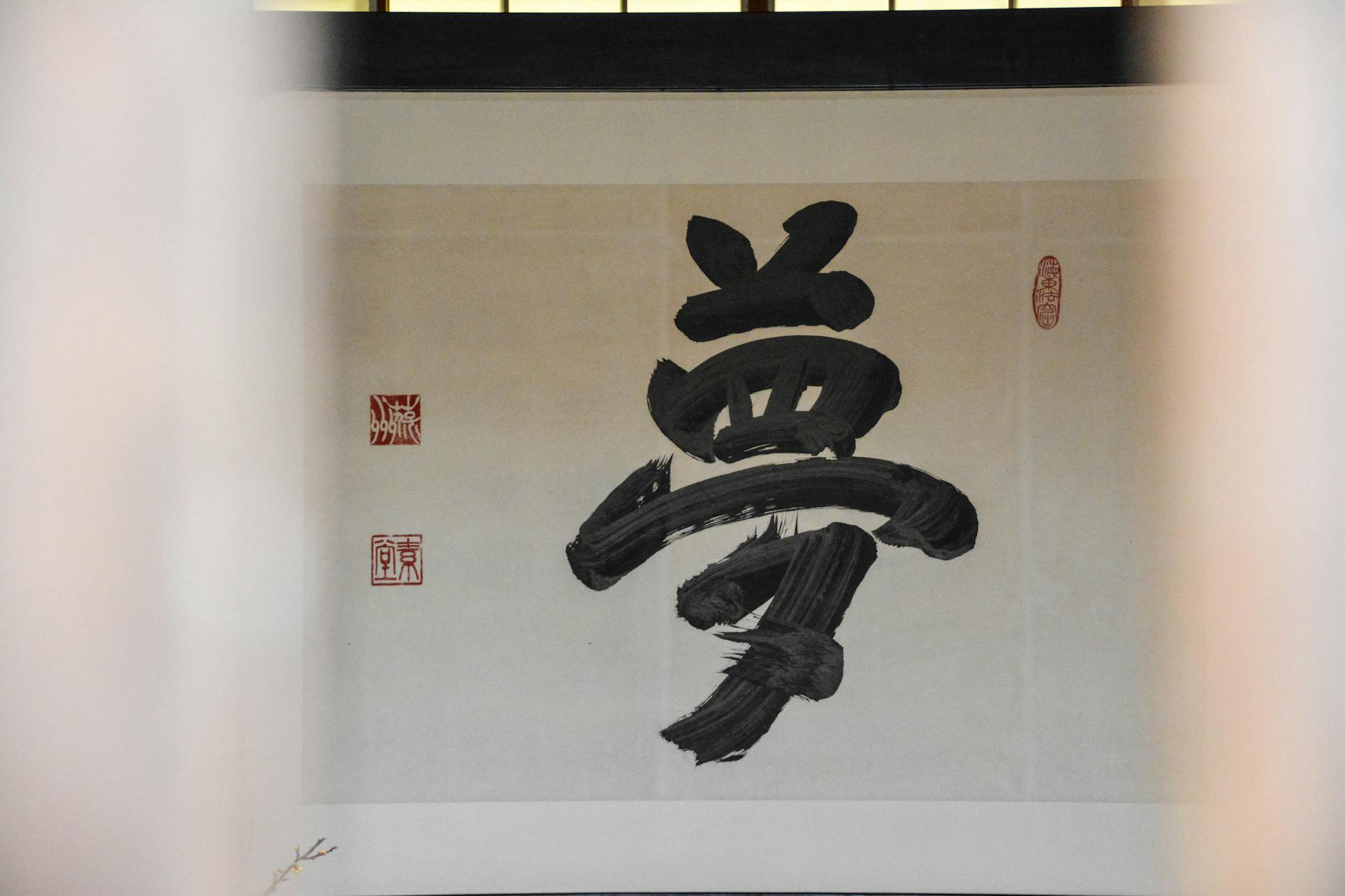
Why Kanji Mastery Matters
Kanji is the single biggest challenge — and the single biggest reward — of learning Japanese. These Chinese-derived characters carry meaning in compact visual form, and mastering them unlocks the ability to read signs, menus, books, and websites in Japanese. Without kanji knowledge, you are functionally illiterate in Japan, unable to read train station names, restaurant menus, or product labels.
The good news is that kanji learning follows a predictable curve. The first 200 characters feel overwhelming because everything is new. But as you learn more, patterns emerge: you start recognizing shared components, predicting readings, and guessing meanings of unfamiliar characters. By the time you reach 500 kanji, learning new ones becomes significantly easier because you are building on existing knowledge.
The key insight is that you do not need to learn all 2,136 jouyou kanji before Japanese becomes useful. Even 300 kanji — the JLPT N4 level — lets you read more than half the kanji in everyday text. Your goal should be steady, consistent progress rather than rushing to memorize everything at once.
The Radical Decomposition Method
Kanji are not random drawings. Nearly every kanji is built from smaller components called radicals (部首). Learning these building blocks transforms kanji from mysterious symbols into logical combinations with predictable meanings. There are 214 classical radicals, but knowing about 50-60 common ones covers the vast majority of kanji you will encounter.
How Radicals Reveal Meaning
Most kanji contain a semantic radical that hints at the meaning category and a phonetic component that suggests the on'yomi reading. For example, every kanji with the water radical 氵 relates to liquids or fluids: 海 (sea), 池 (pond), 泳 (swim), 洗 (wash), 涙 (tears). Recognizing this pattern lets you make educated guesses about unfamiliar kanji.
| Radical | Meaning | Example Kanji | Kanji Meanings |
|---|---|---|---|
| 氵 | Water | 海, 池, 泳, 洗, 涙 | Sea, pond, swim, wash, tears |
| 火 / 灬 | Fire | 焼, 煮, 熱, 燃, 照 | Burn, boil, heat, blaze, shine |
| 木 | Tree/Wood | 林, 森, 板, 桜, 枝 | Grove, forest, board, cherry, branch |
| 口 | Mouth | 吸, 味, 呼, 吹, 唱 | Inhale, taste, call, blow, sing |
| 言 / 訁 | Speech | 話, 語, 説, 読, 訳 | Talk, language, explain, read, translate |
| 心 / 忄 | Heart/Mind | 思, 感, 怒, 悲, 恋 | Think, feel, anger, sadness, love |
| 手 / 扌 | Hand | 持, 打, 投, 押, 拾 | Hold, hit, throw, push, pick up |
| 金 / 釒 | Metal | 銀, 鉄, 鋼, 針, 鏡 | Silver, iron, steel, needle, mirror |
Decomposition in Practice
When you encounter a new kanji, break it into components immediately. Take 教 (teach): it combines 孝 (filial piety) and 攵 (strike/action). Teaching was traditionally seen as instilling respect through discipline. Take 休 (rest): person 人 leaning against a tree 木. Take 明 (bright): the sun 日 and moon 月 together create brightness. These decompositions make characters memorable and meaningful.
Use our Kanji Lookup tool to explore the radical components of any kanji. Understanding the building blocks accelerates your learning dramatically — instead of memorizing 2,000 individual pictures, you are combining a smaller set of meaningful parts.
Mnemonic Stories and Visual Association
Creating vivid, often absurd stories that connect a kanji's components to its meaning is one of the most powerful memorization techniques. The more outrageous the story, the better it sticks in memory. This method exploits how human memory works: we remember narratives and images far better than abstract symbols.
Crafting Effective Mnemonics
| Kanji | Components | Meaning | Mnemonic Story |
|---|---|---|---|
| 森 | 木 + 木 + 木 | Forest | Three trees together make a forest — simple and literal! |
| 男 | 田 + 力 | Man | A man uses his strength (力) to work in the rice field (田). |
| 好 | 女 + 子 | Good/Like | A woman (女) with her child (子) = something good (好). |
| 岩 | 山 + 石 | Rock/Cliff | A stone (石) on a mountain (山) = a massive rock. |
| 鳴 | 口 + 鳥 | Chirp/Ring | A bird (鳥) opens its mouth (口) to sing. |
The best mnemonics are personal. A story that connects to your own experience will be more memorable than a generic one. If you have a friend named Yuki, associate 雪 (snow, also read "yuki") with them. If you love coffee, connect 豆 (bean) to your morning ritual. Personal connections create stronger neural pathways.
Spaced Repetition: The Science of Retention
Spaced repetition is the most scientifically validated method for long-term memorization. The core principle is simple: review material at increasing intervals. If you remember a kanji correctly, wait longer before reviewing it next time. If you forget, review it again soon. This optimizes your study time by focusing effort on characters you are about to forget.
The critical insight is that forgetting is not failure — it is a necessary part of the learning process. Each time you successfully retrieve a memory that was about to fade, the memory trace becomes stronger. This is why cramming (reviewing everything in one session) does not work for long-term retention: without the forgetting-and-retrieving cycle, memories remain shallow.
Our Daily Kanji tool introduces one new kanji each day with spaced review built in. Combine it with a dedicated SRS flashcard app for comprehensive coverage. The key is consistency — even 10 minutes of daily review outperforms one-hour weekly sessions.
Learning Kanji in Context
Never learn a kanji in isolation. Every kanji should be studied as part of real vocabulary words, and those words should appear in sentences. This approach gives you three layers of knowledge simultaneously: kanji recognition, vocabulary, and natural usage patterns.
The Vocabulary Web Approach
For each new kanji, learn 2-3 common vocabulary words that use it. This builds a web of associations that reinforces the kanji's meaning and readings from multiple angles.
| Kanji | Meaning | Word 1 | Word 2 | Word 3 |
|---|---|---|---|---|
| 食 | Eat | 食べる (taberu) - to eat | 食事 (shokuji) - meal | 和食 (washoku) - Japanese food |
| 書 | Write | 書く (kaku) - to write | 図書館 (toshokan) - library | 書類 (shorui) - documents |
| 見 | See | 見る (miru) - to see | 意見 (iken) - opinion | 花見 (hanami) - cherry viewing |
| 出 | Exit/Put out | 出る (deru) - to go out | 出口 (deguchi) - exit | 出発 (shuppatsu) - departure |
| 入 | Enter | 入る (hairu) - to enter | 入口 (iriguchi) - entrance | 入学 (nyuugaku) - enrollment |
Notice how each kanji has both kun'yomi (Japanese reading, used when the kanji stands alone with hiragana) and on'yomi (Chinese reading, used in compounds). Learning vocabulary naturally teaches you both readings without memorizing them separately. Use our JLPT Vocabulary tool to find common words for any kanji.
Common Mistakes to Avoid
Years of teaching kanji to students have revealed predictable mistakes that slow progress. Avoiding these pitfalls from the start saves months of frustration.
- Learning kanji without vocabulary
- Memorizing all readings at once
- Writing each kanji 100 times mindlessly
- Skipping review sessions
- Trying to learn 20+ kanji per day
- Learn kanji through vocabulary words
- Learn readings as part of words
- Write 5-10 times with focused attention
- Daily review is non-negotiable
- 3-5 new kanji per day for retention
The most damaging mistake is learning too many kanji at once without reviewing. Adding 20 new kanji daily sounds impressive, but without spaced review, you will forget 80% within a week. A sustainable pace of 3-5 new kanji per day with daily review builds genuine long-term knowledge.
Building a Daily Kanji Routine
The best kanji routine fits into your existing schedule and feels sustainable, not exhausting. Here is a proven daily structure that takes about 30-40 minutes total.
| Time | Activity | Duration | Purpose |
|---|---|---|---|
| Morning | Review yesterday's kanji (SRS) | 10 min | Strengthen new memories before they fade |
| Morning | Learn 3-5 new kanji with vocabulary | 15 min | Active learning when focus is highest |
| Afternoon | Quick recognition drill | 5 min | Same-day review prevents forgetting |
| Evening | Read Japanese content (10 min reading) | 10 min | Encounter kanji in natural context |
The morning session is the most important because your brain consolidates memories during sleep, and reviewing first thing reinforces what was learned the previous day. The afternoon check-in ensures same-day review, which research shows dramatically improves next-day recall. The evening reading session provides natural context that deepens understanding.
Generate custom practice sheets for the kanji you are currently studying. Physical writing, even briefly, engages different memory pathways than screen-based study alone.
Kanji Milestones and Progress Tracking
Setting clear milestones keeps you motivated through the long journey of kanji mastery. Here are meaningful checkpoints aligned with real-world ability.
Track your progress weekly. Keep a simple spreadsheet or notebook recording how many kanji you have learned and your review accuracy rate. When accuracy drops below 80%, slow down on new kanji and focus on review. When accuracy stays above 90% consistently, you can add more new characters per day.
Start Your Kanji Journey Today
Kanji mastery is achievable with the right methods and consistent practice. Begin with our Daily Kanji tool to build a daily habit, use the Kanji Lookup to research components and readings, and generate practice sheets for writing drills. Read our Japanese writing systems guide for the big picture of how kanji fits with hiragana and katakana. Remember: every expert kanji reader started with zero. Your first 100 kanji will be the hardest — after that, the patterns you have learned make each new character easier than the last.
The 80/20 rule for kanji: Not all kanji are equally important. The top 200 most frequent kanji cover approximately 50% of all characters you will encounter in everyday Japanese text. The top 500 cover roughly 75%, and the top 1,000 cover about 90%. This means that strategically prioritizing high-frequency kanji gives you dramatically more reading ability per hour of study compared to learning kanji in textbook order. Cross-reference your study list with frequency data to ensure you are spending time on characters that will actually appear in the content you want to read. Many learners waste months on obscure kanji that appear in textbooks but rarely show up in real life.
Kanji in context vs isolation: A kanji character rarely appears alone in modern Japanese. Most kanji combine into compound words (熟語, jukugo) that carry specific meanings different from their individual components. For example, 大 (big) + 学 (study) = 大学 (university). Learning kanji through compounds is more efficient because you acquire vocabulary simultaneously with character recognition. When you learn 食 (eat), also learn 食べ物 (food), 食事 (meal), 食堂 (cafeteria), and 食品 (groceries). This compound-first approach means every kanji you learn immediately unlocks multiple usable words rather than sitting as an isolated character in your memory.
Reading practice as kanji review: Once you know 200-300 kanji, start reading graded readers or NHK Easy News. Reading reinforces kanji recognition in natural context, which is far more effective for long-term retention than flashcard review alone. When you encounter a kanji you have studied before, the contextual encounter strengthens your memory through a different pathway than active recall. When you encounter an unknown kanji, the surrounding context often provides enough clues to guess its meaning — a skill that becomes increasingly powerful as your kanji knowledge grows. Aim for reading material where you understand 90-95% of the kanji; this "sweet spot" provides enough comprehension to follow the content while exposing you to new characters at a manageable rate.
Common kanji learning pitfalls: Many learners make the mistake of trying to memorize kanji readings in isolation. A single kanji can have multiple on'yomi (Chinese-derived readings) and kun'yomi (native Japanese readings), and trying to memorize all of them upfront is overwhelming and inefficient. Instead, learn readings through vocabulary words. When you learn 食べる (taberu, to eat), you naturally learn the kun'yomi of 食. When you learn 食事 (shokuji, meal), you learn the on'yomi. This vocabulary-first approach means readings are always connected to real words you will actually use, making them far more memorable than abstract reading lists.
🔧 Try These Tools
Frequently Asked Questions
How many kanji do I need to know for daily life in Japan? ▼
The Japanese government designates 2,136 jouyou kanji for everyday use. Knowing about 1,000 kanji (JLPT N2 level) lets you read roughly 90% of a newspaper. For full literacy, aim for the complete jouyou set over 2-3 years of consistent study.
Should I learn kanji by writing them or just reading? ▼
Both. Writing engages motor memory and helps you notice stroke details that distinguish similar kanji. However, reading recognition is more immediately practical. A balanced approach works best: write each new kanji 5-10 times, then focus on reading it in context.
What is the best order to learn kanji? ▼
Start with high-frequency characters that appear in daily life: numbers, days, basic verbs, and common nouns. Following the JLPT level order (N5 → N1) is practical because it aligns with textbook progression. Alternatively, learn by radical groups to build pattern recognition.
How long does it take to learn 2,000 kanji? ▼
At a pace of 5 new kanji per day with daily review, you can learn 2,000 kanji in about 14 months of active study. However, true retention requires 6-12 months of continued review after initial learning. Most learners achieve this over 2-3 years.
Is it possible to learn kanji without rote memorization? ▼
Yes. Mnemonic stories, radical decomposition, and contextual learning are all effective alternatives to pure repetition. The key is creating meaningful associations — the more vivid and personal the connection, the stronger the memory.
Language Education Specialist
Yang Lin is a Taiwan-based bilingual educator specializing in Mandarin Chinese and Japanese instruction. With over 10 years of experience helping learners worldwide master East Asian languages, Yang creates practical tools and structured study guides that make language learning accessible, effective, and enjoyable. She holds a degree in Applied Linguistics and has taught students from more than 20 countries.
🈶 Interested in Chinese? Read our Chinese learning blog →