Keigo Guide: Master Japanese Polite Language
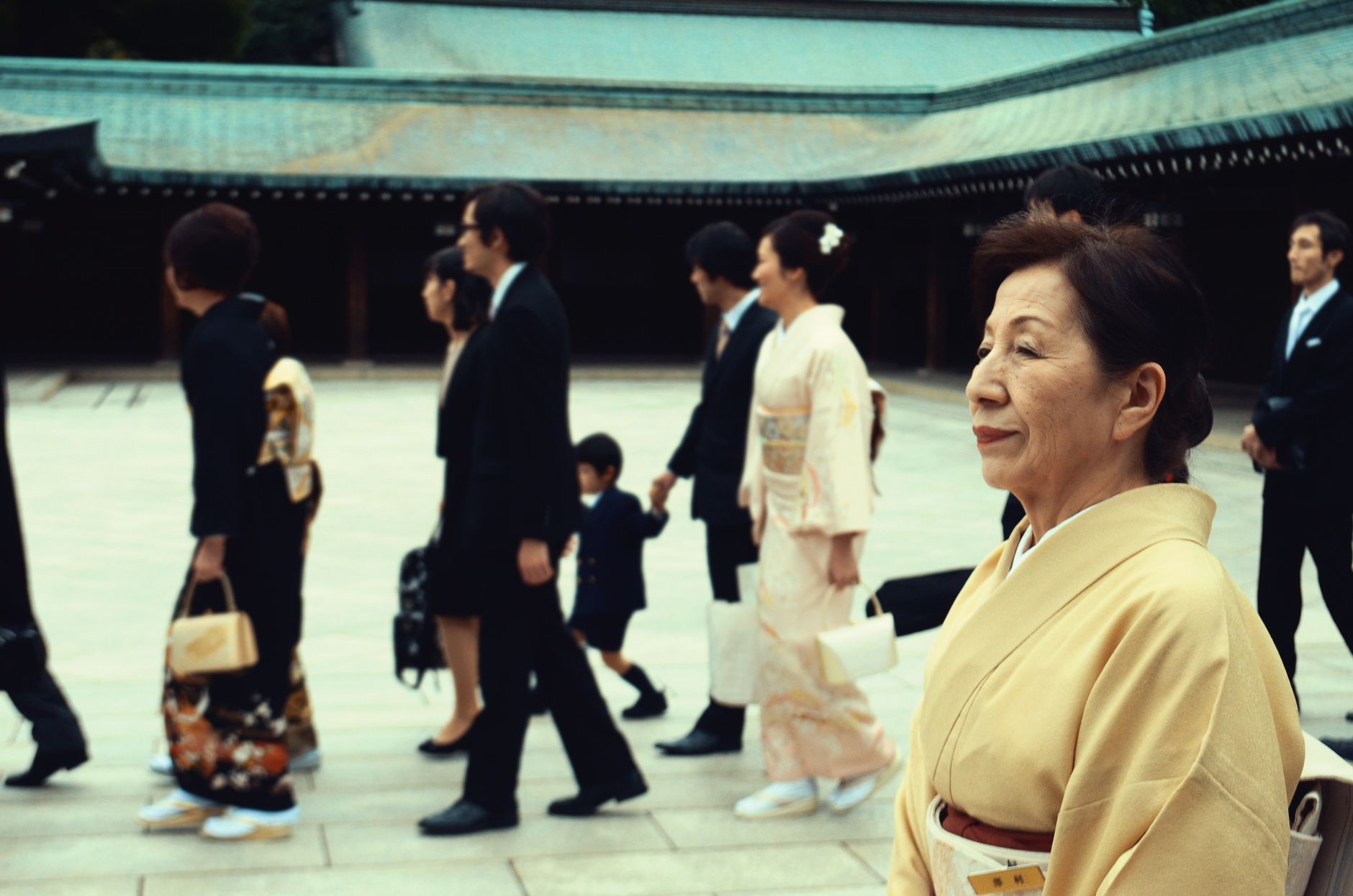
Keigo (敬語) is the Japanese politeness system that adjusts your language based on who you are talking to, their social status relative to yours, and the formality of the situation. It is one of the most challenging aspects of Japanese for learners, but it is also one of the most important for real-world communication. Whether you are working in a Japanese company, shopping in Tokyo, or meeting your partner's parents, knowing the right level of keigo makes the difference between sounding respectful and sounding awkward. This guide breaks down all three types with clear examples and practical patterns you can use immediately.
The Three Types of Keigo
Japanese keigo has three distinct categories, each serving a different purpose in the politeness hierarchy.
General politeness. The です/ます forms. Used with anyone you are not close to. This is the baseline polite Japanese every learner should master first.
Honorific language. Elevates the other person's actions. Used when talking about your boss, clients, teachers, or anyone you want to show respect to. Direction: raises others UP.
Humble language. Lowers your own actions to show deference. Used when describing what you or your company does to/for someone of higher status. Direction: lowers yourself DOWN.
Teineigo: Basic Politeness
Teineigo (丁寧語) is the foundation of polite Japanese. If you only learn one type of keigo, this is it. The です/ます forms are used in everyday polite conversation — with coworkers, shopkeepers, acquaintances, and anyone you are not close friends with.
| Casual | Teineigo (Polite) | Meaning |
|---|---|---|
| 食べる (taberu) | 食べます (tabemasu) | eat |
| 行く (iku) | 行きます (ikimasu) | go |
| する (suru) | します (shimasu) | do |
| いい (ii) | いいです (ii desu) | good |
| だ (da) | です (desu) | is/am/are |
Teineigo also includes polite prefixes: お (o-) and ご (go-) attached to nouns. お水 (omizu, water), お名前 (onamae, name), ご家族 (gokazoku, family), ご意見 (goiken, opinion). Generally, お goes with native Japanese words and ご with Chinese-origin words, though there are exceptions.
Sonkeigo: Honorific Language
Sonkeigo (尊敬語) elevates the actions of the person you are speaking to or about. It has two formation patterns.
Pattern 1: お + verb stem + になる — Works for most verbs. Example: 読む → お読みになる (to read — honorific).
Pattern 2: Special verbs — Certain common verbs have completely different honorific forms that must be memorized.
| Plain Verb | Sonkeigo Form | Meaning |
|---|---|---|
| いる (to be) | いらっしゃる | (you/they) are present |
| 行く / 来る (go/come) | いらっしゃる | (you/they) go/come |
| 食べる / 飲む (eat/drink) | 召し上がる (meshiagaru) | (you/they) eat/drink |
| 言う (say) | おっしゃる | (you/they) say |
| 見る (see) | ご覧になる (goran ni naru) | (you/they) see/look |
| 知る (know) | ご存じ (gozonji) | (you/they) know |
| する (do) | なさる | (you/they) do |
| くれる (give me) | くださる | (you/they) give me |
Kenjougo: Humble Language
Kenjougo (謙譲語) lowers your own actions to show respect to the listener. The general pattern is お + verb stem + する, plus special replacement verbs for common actions.
| Plain Verb | Kenjougo Form | Meaning |
|---|---|---|
| いる (to be) | おる | (I) am present |
| 行く (go) | 参る (mairu) | (I) go |
| 食べる / 飲む | いただく | (I) eat/drink/receive |
| 言う (say) | 申す (mousu) | (I) say |
| 見る (see) | 拝見する (haiken suru) | (I) see/look |
| 知る (know) | 存じる (zonjiru) | (I) know |
| する (do) | いたす | (I) do |
| あげる (give) | 差し上げる (sashiageru) | (I) give (to you) |
Side-by-Side Comparison: 10 Essential Verbs
This master reference table shows how the same action changes across all three levels. Memorize these ten verbs and you will handle most keigo situations.
| Action | Plain | Sonkeigo (about them) | Kenjougo (about me) |
|---|---|---|---|
| go | 行く | いらっしゃる | 参る |
| be (exist) | いる | いらっしゃる | おる |
| eat/drink | 食べる/飲む | 召し上がる | いただく |
| say | 言う | おっしゃる | 申す |
| see | 見る | ご覧になる | 拝見する |
| do | する | なさる | いたす |
| know | 知る | ご存じ | 存じる |
| give | あげる/くれる | くださる | 差し上げる |
| receive | もらう | — | いただく |
| ask/visit | 聞く/訪ねる | お聞きになる | 伺う (ukagau) |
Keigo in Business Japanese
Business keigo (ビジネス敬語) has its own set of commonly used phrases. These appear in every Japanese workplace and are essential for professional communication.
| Situation | Keigo Phrase | Meaning |
|---|---|---|
| Answering phone | お電話ありがとうございます | Thank you for calling |
| Introducing yourself | ○○と申します | My name is ○○ (humble) |
| Apologizing | 申し訳ございません | I sincerely apologize |
| Asking to wait | 少々お待ちいただけますか | Could you please wait a moment? |
| Confirming | かしこまりました | Certainly / Understood (very formal) |
| Requesting | お手数ですがおねがいいたします | I'm sorry for the trouble, but please... |
| Ending email | ご確認のほどよろしくおねがいいたします | I kindly ask for your confirmation |
| Leaving for the day | お先に失礼いたします | Excuse me for leaving before you |
Common Keigo Mistakes
- Using sonkeigo for yourself: ×私がおっしゃった
- Using kenjougo for your boss: ×部長が申しました
- Double keigo: ×お召し上がりになられる
- Using casual with clients: ×了解です instead of 承知いたしました
- Honoring your boss to a client (wrong ウチ/ソト)
- Kenjougo for yourself: ○私が申しました
- Sonkeigo for boss (internal): ○部長がおっしゃいました
- Single keigo only: ○召し上がる
- Formal with clients: ○承知いたしました
- Humble boss to client: ○田中は外出しております
How to Practice Keigo
Keigo improves fastest through exposure and active practice. Here are the most effective methods.
Dramas like 半沢直樹 and リーガルハイ are full of keigo. Notice how characters switch between casual and formal speech depending on who they address.
Learn the business phrases above as fixed expressions first. Practice saying them aloud until they feel natural. Muscle memory matters for keigo.
Practice with a language partner using workplace scenarios: phone calls, client meetings, email writing. Switch roles between junior and senior positions.
Build your keigo vocabulary with our JLPT Vocabulary tool, check particle usage with the Particle Guide, and look up keigo kanji with Kanji Lookup. Keigo mastery takes time and practice, but even basic efforts show respect and open doors in Japanese professional and social settings. Start with teineigo, then gradually add sonkeigo and kenjougo as your confidence grows.
Polite Japanese for everyday situations: You do not need full keigo for most daily interactions — the です/ます (desu/masu) level of politeness handles 90% of situations. At convenience stores, restaurants, and shops, staff use keigo with you, but your responses in standard polite Japanese are perfectly appropriate. Key daily polite phrases: すみません (sumimasen — excuse me/sorry, the most versatile polite word), お願いします (onegaishimasu — please, for requests), ありがとうございます (arigatou gozaimasu — thank you), 失礼します (shitsurei shimasu — excuse me, when entering/leaving). These four phrases alone cover an enormous range of polite interactions.
Polite request patterns from casual to formal: Japanese offers a spectrum of request politeness. From most casual to most formal: ~して (shite — do it, very casual), ~してくれる? (shite kureru? — will you do it? casual), ~してください (shite kudasai — please do it, standard polite), ~していただけますか (shite itadakemasu ka — could you do it? formal polite), ~していただけないでしょうか (shite itadakenai deshou ka — might I ask you to do it? very formal). For most learners, mastering ~てください for requests and ~てもいいですか for permission provides a solid foundation. The more formal versions become important in business contexts and when asking favors of strangers.
Common politeness mistakes foreigners make: The biggest mistake is inconsistent politeness levels — switching between casual and polite forms within the same conversation sounds jarring to Japanese ears. Pick one level and stick with it throughout the interaction. Another common error is being too polite in casual situations, which creates uncomfortable distance. If Japanese friends switch to casual speech with you, match their level — continuing with です/ます when they have dropped it signals that you do not consider them close friends. A third mistake is over-apologizing in Japanese style without understanding the nuance. While すみません works as both "excuse me" and "sorry," overusing 申し訳ございません (the most formal apology) for minor things like being 2 minutes late sounds exaggerated.
Keigo in Written Communication
Written keigo in emails, letters, and business documents follows stricter conventions than spoken keigo because written words carry permanence and represent your professional image. Business emails in Japanese follow a rigid structure: opening greeting (お疲れ様です for internal, お世話になっております for external contacts), the main message using appropriate honorific and humble forms, a closing line (何卒よろしくお願いいたします), and your signature. Each element uses specific keigo patterns that have become so standardized they function almost as fixed expressions rather than creative language use.
Common email keigo patterns include: ご確認いただけますでしょうか (could you please check), お忙しいところ恐れ入りますが (I apologize for bothering you when you are busy), ご返信いただけると幸いです (I would be grateful if you could reply), and 添付ファイルをご覧ください (please look at the attached file). Memorizing these patterns as complete units is more practical than constructing them from keigo rules each time. Many Japanese professionals keep a template library of email phrases organized by situation — requesting, apologizing, confirming, declining, and thanking. Building your own template library accelerates your ability to write professional Japanese emails while ensuring you maintain appropriate formality levels throughout your correspondence.
Common Keigo Mistakes and How to Fix Them
Even native Japanese speakers make keigo errors, so learners should not feel discouraged by mistakes — but knowing the most common errors helps you avoid them. Double keigo (二重敬語, nijuu keigo) occurs when speakers stack multiple honorific forms unnecessarily: お読みになられる combines two honorific patterns and should be simply お読みになる. Another frequent error is mixing honorific and humble forms in the same sentence, which creates confusion about who the subject of respect is. The rule is straightforward: use honorific forms (尊敬語) for the other person's actions and humble forms (謙譲語) for your own actions, but never mix them for the same person in one sentence.
Learners frequently struggle with the keigo forms of common verbs because they must memorize completely different words rather than applying regular conjugation patterns. The verb 食べる (taberu, eat) becomes 召し上がる (meshiagaru) in honorific form and いただく (itadaku) in humble form — these bear no resemblance to the original verb. Similarly, 行く (iku, go) becomes いらっしゃる (irassharu) in honorific and 参る (mairu) in humble form. Create a master table of the twenty most common verbs with their honorific and humble equivalents, and review this table daily until the associations become automatic. Flashcard apps that test both directions (casual → keigo and keigo → casual) build the bidirectional fluency needed for real conversations where you switch between registers rapidly.
Practicing Keigo Through Role-Play Scenarios
The most effective method for developing keigo fluency is structured role-play practice that simulates real social and business situations. Create scenario cards covering common keigo situations: greeting a client who visits your office, apologizing for a late delivery, requesting a meeting time change, thanking a supervisor for guidance, and introducing yourself to a new business partner. Practice each scenario with a language partner, recording yourself and reviewing the recording for incorrect keigo usage, awkward phrasing, or missed opportunities to use appropriate honorific forms.
Gradual progression through keigo difficulty levels prevents overwhelm and builds lasting competence. Start with the most formulaic situations — restaurant and shop interactions — where keigo follows extremely predictable patterns that you can memorize as complete scripts. Progress to workplace small talk — seasonal greetings, expressing gratitude for help, and polite refusals — which requires applying keigo patterns more flexibly. Finally, tackle complex situations like negotiating, handling complaints, and giving presentations, which demand real-time keigo decision-making under pressure. At each level, the goal is not perfection but comfortable, natural usage that communicates respect and professionalism. Even Japanese native speakers make keigo errors in complex situations, so achieving approximate correctness with confident delivery is more effective than producing technically perfect keigo with obvious hesitation and discomfort.
Long-Term Keigo Development Strategy
Keigo mastery is a lifelong process even for native Japanese speakers, so foreign learners should approach it as an ongoing skill development rather than a finite study goal. In your first year of keigo study, focus exclusively on the most common set phrases and formulaic expressions for restaurants, shops, and basic workplace interactions. In your second year, expand to email writing and telephone keigo, which require applying patterns more flexibly across different situations. In your third year and beyond, work on meeting and presentation keigo, negotiation language, and the subtle social judgments about when to upgrade or downgrade your formality level based on contextual cues that only develop through extensive real-world experience.
Track your keigo development through periodic self-assessment using real-world scenarios. Record yourself handling a simulated business phone call every three months and review the recordings to identify improvement and remaining weaknesses. Save your business emails and compare early attempts with later ones to see how your written keigo has developed. Ask Japanese colleagues or language partners for honest feedback about your keigo usage — most Japanese people avoid volunteering corrections about keigo because the topic feels sensitive, but they will provide valuable feedback when directly asked. This regular assessment cycle ensures continuous improvement and prevents the stagnation that occurs when learners reach a "good enough" plateau and stop actively developing their keigo repertoire.
🔧 Try These Tools
Frequently Asked Questions
Do I need to learn keigo as a beginner? ▼
Not immediately, but basic teineigo (desu/masu form) is essential from day one. Sonkeigo and kenjougo become important at intermediate level and are tested from JLPT N3 onward.
Will Japanese people expect foreigners to use keigo? ▼
They will appreciate any effort. Using basic polite forms shows respect. Perfect keigo is not expected from non-native speakers, but knowing the basics makes a strong positive impression in business settings.
What is the difference between the three types? ▼
Teineigo is general politeness (です/ます). Sonkeigo elevates the listener's actions to show respect. Kenjougo humbles your own actions to show deference. Think of it as: teineigo is neutral polite, sonkeigo raises others, kenjougo lowers yourself.
When do Japanese people use keigo? ▼
In business, with customers, with strangers, with older people, in formal settings, and with anyone of higher social status. The default in professional settings is always keigo — casual speech is reserved for close friends and family.
What happens if I use the wrong keigo? ▼
Minor errors are forgiven, especially from foreigners. But using sonkeigo for your own actions (elevating yourself) or kenjougo for your boss (humbling them) can sound quite strange. The key mistakes to avoid are mixing up the direction.
Language Education Specialist
Yang Lin is a Taiwan-based bilingual educator specializing in Mandarin Chinese and Japanese instruction. With over 10 years of experience helping learners worldwide master East Asian languages, Yang creates practical tools and structured study guides that make language learning accessible, effective, and enjoyable. She holds a degree in Applied Linguistics and has taught students from more than 20 countries.
🈶 Interested in Chinese? Read our Chinese learning blog →