Japanese Onomatopoeia: 80+ Sound and Mimetic Words That Bring Japanese to Life
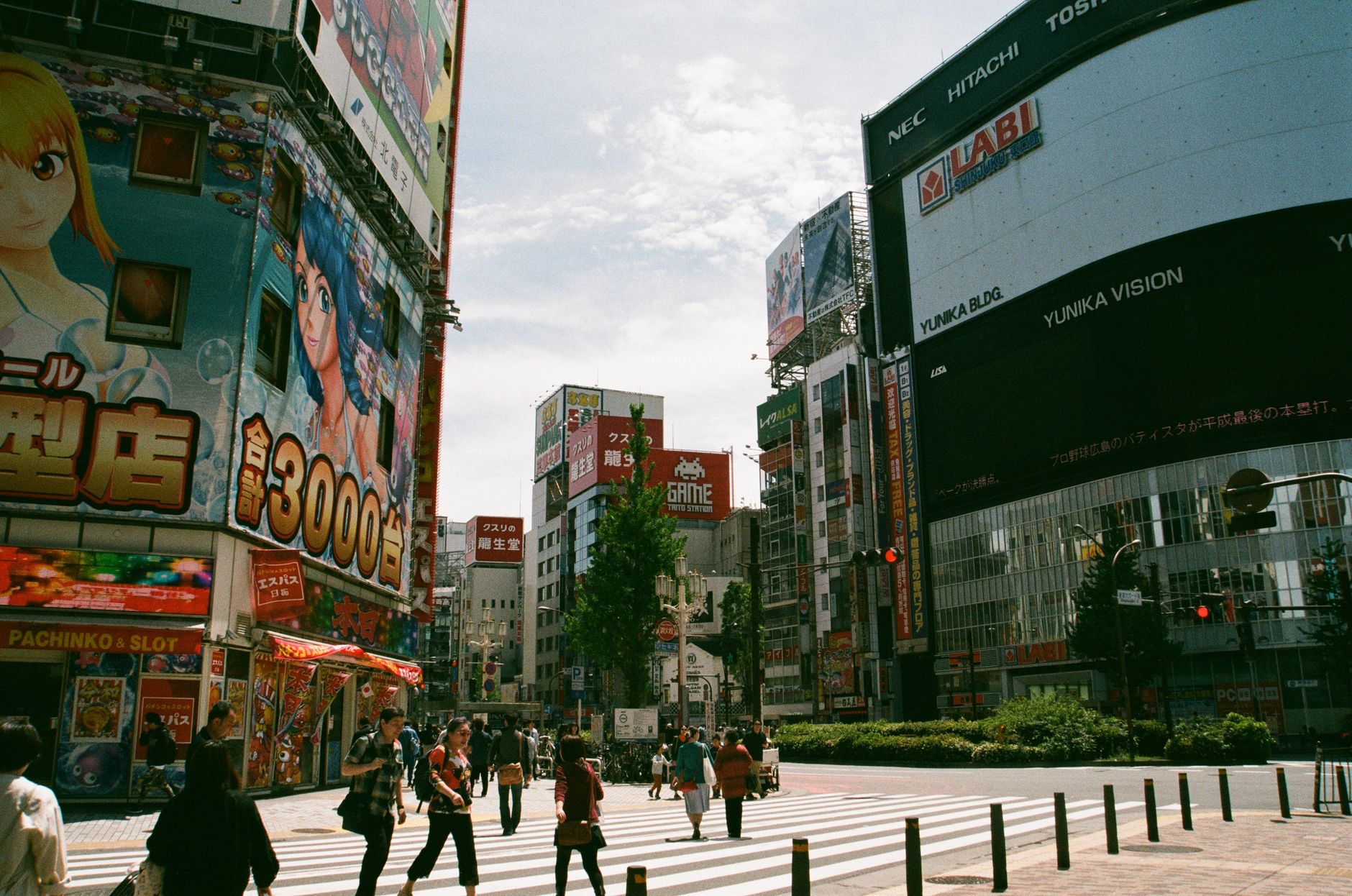
Japanese has over 1,000 onomatopoeia — more than almost any other language. They're not just sound effects for manga panels. Japanese speakers use onomatopoeia constantly in everyday conversation to describe textures, emotions, weather, actions, and states of being with a precision that regular adjectives can't match.
Say someone asks how the cake was. In English, you might say "soft and fluffy." In Japanese, you'd say ふわふわ (fuwa fuwa) — and that single word captures the exact mouthfeel better than any description could. This guide covers 80+ essential onomatopoeia organized by type, with real examples showing how native speakers use them in daily life, manga, and anime.
The Three Categories of Japanese Onomatopoeia
ドンドン (banging)
ザーザー (heavy rain)
ワンワン (dog barking)
ふわふわ (fluffy)
ピカピカ (shiny)
ネバネバ (sticky)
ドキドキ (heart pounding)
ワクワク (excited)
イライラ (irritated)
Pattern to notice: Most onomatopoeia are doubled syllables (ABAB pattern): ふわふわ, ドキドキ, ピカピカ. Some use a っ (small tsu) for abruptness: ぐっすり (deep sleep), ばったり (running into someone). The doubling creates a sense of continuation or repetition.
Sound Words (擬音語 Giongo)
These represent actual, audible sounds. They're usually written in katakana.
| Japanese | Romaji | Sound | Example |
|---|---|---|---|
| ワンワン | wan wan | Dog barking | 犬がワンワン吠えている |
| ニャーニャー | nyaa nyaa | Cat meowing | 猫がニャーニャー鳴いている |
| ドンドン | don don | Banging/knocking | ドアをドンドン叩いた |
| ガタガタ | gata gata | Rattling/shaking | 窓がガタガタ揺れている |
| ペラペラ | pera pera | Speaking fluently | 日本語ペラペラ! |
| ゴロゴロ | goro goro | Thunder / lounging | 雷がゴロゴロ / 家でゴロゴロ |
| バタバタ | bata bata | Flapping/rushing | 朝からバタバタしている |
| パチパチ | pachi pachi | Clapping/crackling | 拍手パチパチ |
State and Texture Words (擬態語 Gitaigo)
These describe how things look, feel, or exist — even though they don't make actual sounds. Usually written in hiragana or katakana.
| Japanese | Romaji | Meaning | Usage |
|---|---|---|---|
| ふわふわ | fuwa fuwa | Fluffy, soft, light | ふわふわのパンケーキ (fluffy pancake) |
| ピカピカ | pika pika | Shiny, sparkling | 床がピカピカ (floor is sparkling clean) |
| キラキラ | kira kira | Glittering, twinkling | 星がキラキラ (stars twinkling) |
| ネバネバ | neba neba | Sticky, slimy | 納豆はネバネバしている |
| サラサラ | sara sara | Smooth, silky | サラサラの髪 (silky hair) |
| もちもち | mochi mochi | Chewy, springy | もちもちの食感 (chewy texture) |
| ぐちゃぐちゃ | gucha gucha | Messy, chaotic | 部屋がぐちゃぐちゃ (room is a mess) |
| ぼろぼろ | boro boro | Worn out, tattered | 靴がぼろぼろ (shoes are worn out) |
Emotion Words (擬情語 Gijougo)
These describe how people feel — they're essential for understanding character emotions in anime and expressing yourself naturally.
| Japanese | Romaji | Emotion | When You Feel It |
|---|---|---|---|
| ドキドキ | doki doki | Heart pounding | Nervous, excited, in love |
| ワクワク | waku waku | Excited anticipation | Before a trip, waiting for a gift |
| イライラ | ira ira | Irritated, annoyed | Stuck in traffic, someone is late |
| ハラハラ | hara hara | Anxious, on edge | Watching a thriller, waiting for results |
| ほっと | hotto | Relieved | ほっとした (I'm relieved) |
| うんざり | unzari | Fed up, disgusted | Same complaints every day |
| そわそわ | sowa sowa | Restless, fidgety | Can't sit still, anxious |
| のんびり | nonbiri | Relaxed, leisurely | のんびり過ごす (spend time relaxing) |
Weather and Nature Sounds
Japanese has specific onomatopoeia for different types of rain, wind, and natural phenomena:
- ザーザー (zaa zaa) — Heavy, pouring rain
- しとしと (shito shito) — Gentle, quiet rain
- パラパラ (para para) — Light scattered rain
- ビュービュー (byuu byuu) — Strong howling wind
- そよそよ (soyo soyo) — Gentle breeze
- ゴロゴロ (goro goro) — Rolling thunder
- チラチラ (chira chira) — Snow fluttering down
Onomatopoeia in Manga and Anime
Manga is filled with onomatopoeia — every panel has sound effects written in katakana. Here are the most common ones you'll see:
Fun fact: シーン (shiin) is the onomatopoeia for silence — Japanese created a "sound" for the absence of sound! You'll see this in manga when a character says something awkward and everyone goes quiet.
Using Onomatopoeia in Daily Conversation
Native speakers use onomatopoeia naturally in everyday speech. Here are common conversational examples:
お腹がペコペコ。 — I'm starving. (stomach is empty)
頭がガンガンする。 — My head is pounding.
今日はぐっすり寝た。 — I slept soundly today.
雨がざーざー降っている。 — It's pouring rain.
このケーキ、ふわふわ! — This cake is so fluffy!
明日の旅行、ワクワクする! — I'm so excited about tomorrow's trip!
Grammar Patterns with Onomatopoeia
Onomatopoeia connect to sentences in several ways:
- ~する: ドキドキする (to feel heart-pounding), イライラする (to feel irritated)
- ~と: にこにこと笑う (to smile with a grin)
- ~の/な + noun: ふわふわのパン (fluffy bread), ピカピカの車 (shiny car)
- ~している: ネバネバしている (is sticky)
- Direct use as adverb: ぐっすり寝る (sleep soundly)
Onomatopoeia are one of the most fun aspects of Japanese. Start with the emotion words (ドキドキ, ワクワク, イライラ) and texture words (ふわふわ, ピカピカ) — these come up constantly in daily life. Build your vocabulary with the JLPT Vocabulary Browser, and practice reading onomatopoeia in context through manga. For more cultural insights, check our culture and etiquette guide.
The three categories of Japanese sound words: Japanese onomatopoeia divides into three distinct categories. 擬声語 (giseigo) imitates actual sounds: ワンワン (wan wan — dog barking), ニャーニャー (nyaa nyaa — cat meowing), ドンドン (don don — knocking/pounding). 擬音語 (giongo) represents non-living sounds: ザーザー (zaa zaa — heavy rain), パチパチ (pachi pachi — crackling/clapping), ゴロゴロ (goro goro — thunder rumbling). 擬態語 (gitaigo) describes states, feelings, or manner of action with no actual sound: キラキラ (kira kira — sparkling), ドキドキ (doki doki — heart pounding with excitement), ふわふわ (fuwa fuwa — fluffy/soft). Gitaigo is the most uniquely Japanese category and the hardest for learners because these words have no English equivalent — they describe sensations and textures that English expresses through adjectives or adverbs.
Essential onomatopoeia for daily conversation: These sound words appear constantly in everyday Japanese: ペラペラ (pera pera — fluently, as in speaking a language), バラバラ (bara bara — scattered/in pieces), イライラ (ira ira — irritated/frustrated), ワクワク (waku waku — excited/thrilled), のんびり (nonbiri — relaxed/at ease), しっかり (shikkari — firmly/properly), ぐっすり (gussuri — sleeping soundly), ぴったり (pittari — exactly/perfectly fitting), そろそろ (soro soro — gradually/about time to), ぼんやり (bon'yari — absentmindedly/vaguely). Using these words naturally marks a significant step toward sounding like a native speaker rather than a textbook learner.
How to learn onomatopoeia effectively: Memorizing onomatopoeia from lists is ineffective because these words are deeply tied to sensory experience. Instead, learn them through context. When watching anime or dramas, note which onomatopoeia are used and in what situations — the visual and emotional context creates strong memory associations. Manga is especially useful because onomatopoeia often appear as visual sound effects alongside the action they describe. Another effective method is to learn onomatopoeia in pairs of opposites or related concepts: ニコニコ (niko niko, smiling) vs ブスッと (busutto, sulking); サラサラ (sara sara, smooth/silky) vs ベタベタ (beta beta, sticky). Japanese onomatopoeia often follows sound patterns where voiced consonants (g, z, d, b) suggest heavier, rougher, or more negative qualities than their unvoiced equivalents (k, s, t, p).
Onomatopoeia in Daily Conversation
Japanese onomatopoeia appears far more frequently in everyday conversation than most learners expect. While English speakers might say "I'm exhausted," a Japanese speaker would naturally say「ぐったりしている」(guttari shiteiru), using the onomatopoeia ぐったり to convey a vivid sense of physical and mental depletion. Similarly, describing rain as「ザーザー降っている」(zaazaa futteiru) paints a much more vivid picture than simply saying "it's raining hard." Native speakers use these expressions reflexively, and learning to incorporate them into your speech dramatically improves your naturalness and expressiveness.
One of the most practical categories for daily life is food-related onomatopoeia. When eating crispy tempura, you might hear「サクサク」(sakusaku). Chewy mochi is described as「もちもち」(mochimochi). Slurping noodles makes a「ズルズル」(zuruzuru) sound, and crunchy vegetables are「シャキシャキ」(shakishaki). Japanese food packaging and restaurant menus frequently use these terms to describe texture and eating experience, so knowing them helps you understand what to expect before ordering. Try describing your meals using onomatopoeia — it is excellent practice and often delights native speakers.
Emotional and Psychological Onomatopoeia
Perhaps the most challenging yet rewarding category of Japanese onomatopoeia describes internal emotional and psychological states — things that have no actual sound. These gitaigo (擬態語) expressions are uniquely Japanese and often have no direct English equivalent. Feeling nervous before a presentation might be expressed as「ドキドキする」(dokidoki suru, heart pounding) or「ソワソワする」(sowasowa suru, restless anxiety). The subtle difference between these terms reveals emotional nuances that even detailed English descriptions struggle to capture.
Understanding emotional onomatopoeia is essential for reading manga, watching anime, and following Japanese dramas. Characters frequently express their feelings through these terms:「ワクワクする」(wakuwaku suru, excited anticipation),「イライラする」(iraira suru, irritated frustration),「ほっとする」(hotto suru, relieved), and「しょんぼりする」(shonbori suru, feeling dejected and small). Each term carries a specific emotional color that shapes how scenes feel. When you start thinking in these onomatopoeia rather than translating from English emotional words, you have reached a significant milestone in your Japanese comprehension.
Weather and Nature Onomatopoeia
Japanese has an extraordinarily rich vocabulary for describing weather and natural phenomena through onomatopoeia. Light rain is「しとしと」(shitoshito), heavy rain is「ザーザー」(zaazaa), and a sudden downpour is「ドシャドシャ」(doshadosha). Wind can be「そよそよ」(soyosoyo, a gentle breeze),「ビュービュー」(byuubyuu, strong gusting), or「ゴーゴー」(googoo, howling storm). Snow falling softly is「しんしん」(shinshin), while a blizzard rages「ゴウゴウ」(gougou). This vocabulary reflects the deep cultural connection between Japanese people and their natural environment, shaped by distinct seasons and varied weather patterns.
Nature sounds extend beyond weather to include animals and landscapes. Cicadas buzz「ミンミン」(minmin) in summer — a sound so iconic that it instantly signals summer in any Japanese media. Frogs croak「ケロケロ」(kerokero), and birds chirp「チュンチュン」(chunchun). Rivers flow「サラサラ」(sarasara, a clear gentle stream) or「ゴウゴウ」(gougou, a powerful rushing river). Even silence in nature has its own expression:「シーン」(shiin) describes a profound, almost tangible quietness. Learning these terms enriches your appreciation of Japanese literature, poetry, and the seasonal awareness that permeates Japanese culture.
Building Your Onomatopoeia Vocabulary Systematically
Rather than trying to memorize hundreds of onomatopoeia at once, build your vocabulary through thematic clusters. Start with one category per week — perhaps body sensations one week, weather the next, then emotions, then textures. For each term, create a vivid mental image or recall a specific personal experience that matches the feeling. The term「ふわふわ」(fuwafuwa, fluffy and soft) is much easier to remember if you associate it with the sensation of touching a specific fluffy pillow or a cloud-like dessert you have eaten.
Manga is arguably the single best resource for learning onomatopoeia in context, because manga authors use written sound effects extensively throughout their work. Pick a manga genre you enjoy and pay special attention to the sound effects drawn into panels. Many manga aimed at younger readers include furigana readings for onomatopoeia, making them accessible to learners. Keep a notebook where you record new onomatopoeia alongside the manga panel where you found them — the visual context makes these terms remarkably memorable compared to studying from a vocabulary list.
Onomatopoeia in Professional and Formal Contexts
While many learners associate onomatopoeia with casual speech, Japanese professionals use specific onomatopoeia expressions in business and formal contexts. Medical professionals describe symptoms using onomatopoeia: a throbbing headache is「ガンガンする」(gangan suru), a dull ache is「ズキズキする」(zukizuki suru), and dizziness is「クラクラする」(kurakura suru). Being able to describe physical sensations using these terms is essential for doctor visits in Japan, where physicians expect patients to use onomatopoeia to communicate symptom details precisely.
In business settings, onomatopoeia describes work situations and states:「バタバタしている」(batabata shiteiru, being frantically busy),「だらだら続く」(daradara tsuzuku, dragging on aimlessly), and「きちんとする」(kichinto suru, doing things properly and neatly) appear regularly in workplace conversations and even in business emails. News broadcasts use onomatopoeia to describe economic conditions:「じわじわ上がる」(jiwajjiwa agaru, gradually increasing) and「がくんと落ちる」(gakunto ochiru, dropping sharply). Far from being childish or informal, onomatopoeia is an integral part of Japanese expression across all registers, and mastering context-appropriate usage marks you as a sophisticated speaker who understands the full range of Japanese linguistic tools.
Testing Your Onomatopoeia Knowledge
Regular self-testing accelerates onomatopoeia acquisition because active recall strengthens memory traces far more effectively than passive review. Create scenario-based quizzes for yourself: "How would you describe the sound of heavy rain?" (ザーザー), "What word describes a fluffy texture?" (ふわふわ), "How do you express a heart pounding with excitement?" (ドキドキ). These contextual recall exercises train you to access onomatopoeia from meaning to word — the direction you need in conversation — rather than only recognizing words when you see them, which is the easier but less useful direction.
Challenge yourself with an onomatopoeia journal where you describe your entire day using as many onomatopoeia as possible. A morning entry might read: 目覚まし時計がリンリン鳴って、ぼんやり起きて、シャワーをザーザー浴びて、トーストをサクサク食べて、コーヒーをゴクゴク飲んで、バタバタ出かけた (the alarm rang ringing, I woke up dazedly, took a shower with rushing water, ate crunchy toast, gulped down coffee, and rushed out frantically). This creative exercise forces you to think in onomatopoeia rather than translating from English descriptions, which is the cognitive shift that marks genuine integration of onomatopoeia into your Japanese thinking patterns. Share your journal entries with a Japanese friend or tutor for feedback on natural usage and suggestions for alternative expressions.
🔧 Try These Tools
Frequently Asked Questions
Why does Japanese have so many onomatopoeia? ▼
Japanese culture values expressing subtle sensations and emotions precisely. Onomatopoeia fill gaps where regular adjectives and adverbs cannot capture the nuance. While English has maybe 200 commonly used sound words, Japanese has over 1,000+. They appear in everyday speech, not just manga and anime.
Are onomatopoeia used in formal writing? ▼
Giongo (actual sounds like ドンドン) appear occasionally in all contexts. Gitaigo (mimetic words like ふわふわ) are common in literature and advertising but generally avoided in academic or legal writing. In business, some are acceptable in casual emails but not formal documents.
How can I learn onomatopoeia naturally? ▼
Manga is the best resource — sound effects are written in katakana throughout every panel. Anime and variety shows use them constantly, especially in subtitles. Start by learning 20-30 common ones, then expand as you encounter new ones in context. Don't try to memorize all 1,000+ at once.
What's the difference between giongo and gitaigo? ▼
Giongo (擬音語) represents actual sounds you can hear: ドンドン (banging), ザーザー (heavy rain). Gitaigo (擬態語) represents states, feelings, or textures you can't actually hear: ふわふわ (fluffy), キラキラ (sparkling). A third category, gijougo (擬情語), specifically describes emotions: ワクワク (excited), ドキドキ (heart pounding).
Language Education Specialist
Yang Lin is a Taiwan-based bilingual educator specializing in Mandarin Chinese and Japanese instruction. With over 10 years of experience helping learners worldwide master East Asian languages, Yang creates practical tools and structured study guides that make language learning accessible, effective, and enjoyable. She holds a degree in Applied Linguistics and has taught students from more than 20 countries.
🈶 Interested in Chinese? Read our Chinese learning blog →