Chinese Numbers: Complete Guide from 1 to 100 Million
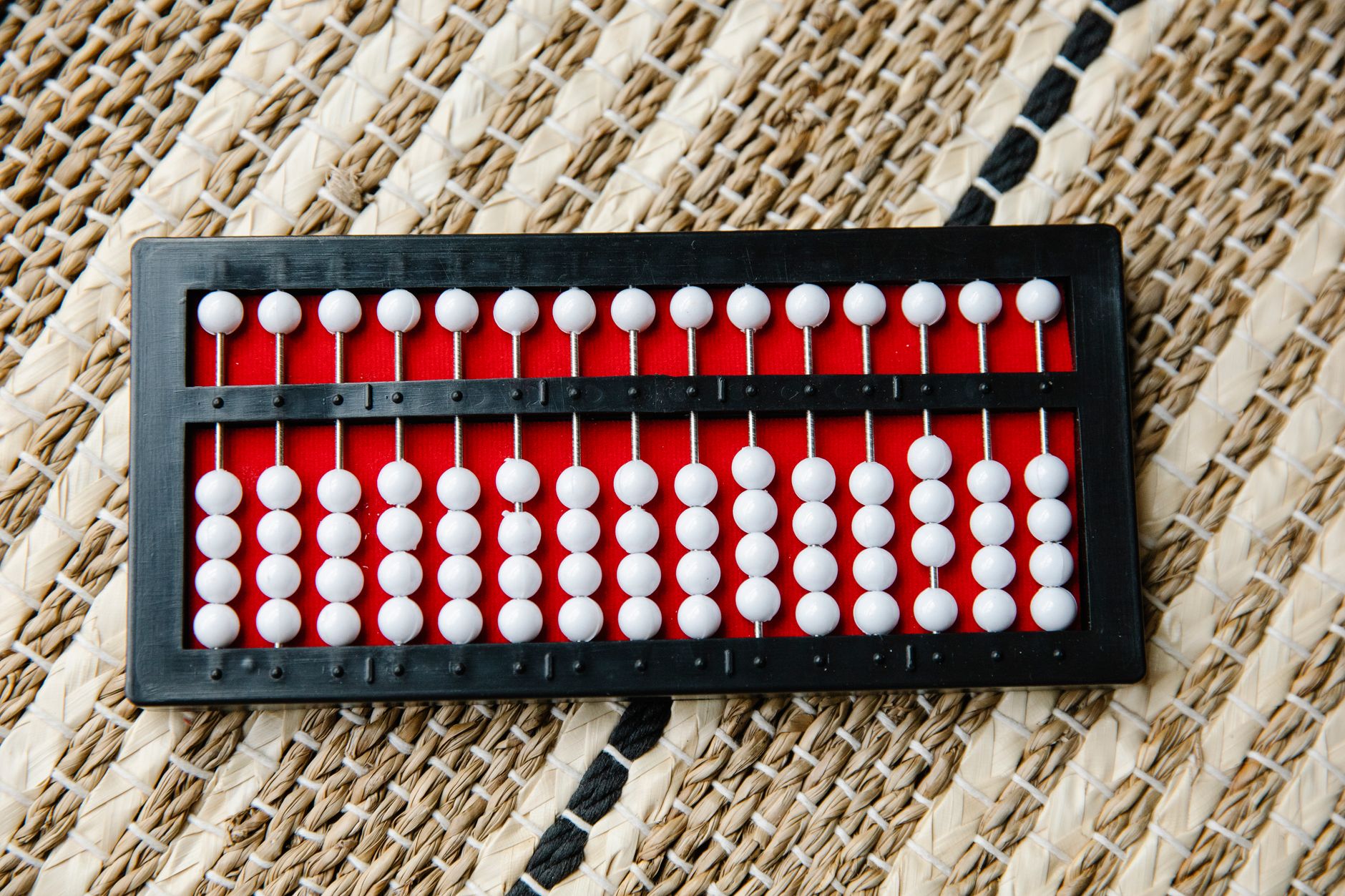
Numbers 1-10: The Foundation
Chinese numbers 1-10 are single characters that form the foundation of the entire counting system. Unlike English, which requires memorizing unique words for each number, Chinese numbers follow patterns that make them remarkably easy to learn. Master these ten characters and you can count to any number.
| Number | Character | Pinyin | Memory Tip |
|---|---|---|---|
| 1 | 一 | yī | One horizontal stroke = one |
| 2 | 二 | èr | Two horizontal strokes = two |
| 3 | 三 | sān | Three horizontal strokes = three |
| 4 | 四 | sì | Looks like a window with 4 panes |
| 5 | 五 | wǔ | 5 strokes in the character |
| 6 | 六 | liù | Looks like a person with arms out |
| 7 | 七 | qī | Looks like an upside-down 7 |
| 8 | 八 | bā | Two strokes spreading apart |
| 9 | 九 | jiǔ | Looks like a flexed arm |
| 10 | 十 | shí | Cross shape = the Roman numeral X |
Notice the beautiful simplicity: 一, 二, 三 literally show one, two, and three horizontal strokes. This pictographic quality is unique among modern number systems. Also note that 零 (líng) means zero and is used in phone numbers, addresses, and mathematical contexts. Try our Number Converter to see any number in Chinese characters.
One important distinction beginners should know: Chinese has two words for the number two. 二 (èr) is used for counting and math, while 两 (liǎng) is used before measure words and when specifying quantities of things. For example, you say 两个人 (liǎng gè rén, two people) rather than 二个人. However, for numbers above ten that end in two, you use 二: 十二 (shí'èr, twelve), 二十二 (èrshí'èr, twenty-two). This distinction between 二 and 两 trips up many learners, but becomes second nature with practice.
Another useful detail: when writing formal documents, checks, and financial records, Chinese uses a set of complex number characters called 大写数字 (dàxiě shùzì) to prevent fraud and alteration. For instance, 一 becomes 壹, 二 becomes 贰, 三 becomes 叁, and 十 becomes 拾. These complex forms are much harder to tamper with because their intricate strokes cannot be easily modified. You will see them on bank receipts, invoices, and legal contracts throughout China and Taiwan.
Building Larger Numbers
Chinese numbers follow a perfectly logical "multiplication + addition" system. Where English has irregular patterns (eleven, twelve, thirteen...), Chinese is completely predictable:
| Number | Chinese | Pinyin | Literal Translation |
|---|---|---|---|
| 11 | 十一 | shí yī | ten-one |
| 12 | 十二 | shí èr | ten-two |
| 20 | 二十 | èr shí | two-ten |
| 25 | 二十五 | èr shí wǔ | two-ten-five |
| 99 | 九十九 | jiǔ shí jiǔ | nine-ten-nine |
| 100 | 一百 | yī bǎi | one-hundred |
| 250 | 二百五十 | èr bǎi wǔ shí | two-hundred-five-ten |
| 1,000 | 一千 | yī qiān | one-thousand |
| 3,456 | 三千四百五十六 | sān qiān sì bǎi wǔ shí liù | three-thousand-four-hundred-five-ten-six |
Important rule about zero: When a zero appears in the middle of a number, you must include 零 (líng). For example: 101 = 一百零一 (yī bǎi líng yī), 1,005 = 一千零五 (yī qiān líng wǔ). However, trailing zeros are not spoken: 1,000 is just 一千, not 一千零零零.
An additional zero rule to remember: even when multiple consecutive zeros appear in a number, you only say 零 once. The number 1,001 is 一千零一 (yī qiān líng yī), not 一千零零一. Similarly, 10,008 is 一万零八 (yī wàn líng bā). This single-零 rule keeps large numbers clean and easy to say. Another practical note: when the number starts with 一 in the tens place, native speakers often drop it. Instead of saying 一十五 for 15, people simply say 十五 (shíwǔ). However, 一 is kept in all other positions — you always say 一百 for 100, never just 百.
The 万 (Ten-Thousand) System
This is where Chinese numbers diverge most from English. English groups numbers by thousands (thousand, million, billion). Chinese groups by ten-thousands using the unit 万 (wàn). This is the single biggest mental adjustment for English speakers learning Chinese numbers.
| Number | English | Chinese | Literal |
|---|---|---|---|
| 10,000 | ten thousand | 一万 | one wàn |
| 50,000 | fifty thousand | 五万 | five wàn |
| 100,000 | one hundred thousand | 十万 | ten wàn |
| 1,000,000 | one million | 一百万 | one-hundred wàn |
| 10,000,000 | ten million | 一千万 | one-thousand wàn |
| 100,000,000 | one hundred million | 一亿 | one yì |
The key conversion: 1 million = 100万, 10 million = 1000万, 100 million = 1亿. When reading Chinese news about company valuations or population figures, the 万/亿 system is essential. China's population of 1.4 billion is expressed as 14亿 (shísì yì) — fourteen 亿-units.
The practical challenge for English speakers is mental conversion. When you see a Chinese headline saying a company is worth 5000万, you need to mentally calculate: 5000 times 10,000 equals 50 million. A quick trick: remove four zeros from the 万 number and you have the equivalent number of ten-thousands, then multiply by 10,000. With 亿, the conversion is even trickier — 3亿 equals 300 million (3 times 100,000,000). Many learners find it helpful to memorize a few anchor points: 十万 equals 100,000, 百万 equals one million, 千万 equals ten million, and 亿 equals 100 million. Real estate prices in major Chinese cities are often quoted in 万 per square meter, and salaries in job postings frequently use 万 as the unit for annual income, so mastering this system is genuinely practical for anyone living or doing business in a Chinese-speaking environment.
Ordinal Numbers and Fractions
Ordinal numbers (first, second, third) are formed by adding 第 (dì) before the number. Fractions use 分之 (fēn zhī) between the denominator and numerator — but in reverse order from English.
| Expression | Chinese | Pinyin | Note |
|---|---|---|---|
| First | 第一 | dì yī | 第 + number = ordinal |
| Second | 第二 | dì èr | |
| Third | 第三 | dì sān | |
| 1/2 | 二分之一 | èr fēn zhī yī | "two parts, of which one" |
| 1/3 | 三分之一 | sān fēn zhī yī | "three parts, of which one" |
| 3/4 | 四分之三 | sì fēn zhī sān | "four parts, of which three" |
| 50% | 百分之五十 | bǎi fēn zhī wǔshí | "hundred parts, of which fifty" |
Notice the pattern for fractions: denominator first, then 分之, then numerator. This is the opposite of English order. Percentages follow the same pattern: 百分之 (out of one hundred) + the number. So 85% is 百分之八十五.
Money and Prices
Understanding money terms is essential for shopping, dining, and daily life in Chinese-speaking regions. China uses 人民币 (rénmínbì, RMB), while Taiwan uses 新台币 (xīn táibì, NTD).
| Term | Formal | Colloquial | Value |
|---|---|---|---|
| Main unit | 元 (yuán) | 块 (kuài) | 1 yuan |
| Ten cents | 角 (jiǎo) | 毛 (máo) | 0.1 yuan |
| One cent | 分 (fēn) | 分 (fēn) | 0.01 yuan (rarely used) |
Price examples: ¥15 = 十五块 (shíwǔ kuài). ¥3.50 = 三块五 (sān kuài wǔ — the 毛 is often dropped). ¥128 = 一百二十八块 (yī bǎi èrshíbā kuài). When asking prices: 多少钱?(duōshǎo qián? — How much?). Use our Number Converter to practice converting any amount.
Bargaining is common in Chinese markets, and knowing number phrases helps enormously. 太贵了 (tài guì le, too expensive) is your opening line, followed by 便宜一点 (piányi yīdiǎn, a little cheaper please). Vendors may counter with a specific discount like 打八折 (dǎ bā zhé, 20% off — literally "eight-fold discount"). The Chinese discount system works inversely from English: 八折 means you pay 80% of the original price (so it is a 20% discount), 七折 means you pay 70% (a 30% discount), and 半价 (bàn jià) means half price. This system often confuses English speakers at first, but it is used universally in stores, restaurants, and online shopping platforms throughout China and Taiwan.
Numbers in Dates and Time
Chinese dates follow the order year → month → day (largest to smallest), which is the opposite of American English but matches the ISO standard. Time uses a 12-hour or 24-hour system.
| Expression | Chinese | Pinyin |
|---|---|---|
| 2026 | 二零二六年 | èr líng èr liù nián |
| March | 三月 | sān yuè (third month) |
| 15th | 十五号/日 | shíwǔ hào/rì |
| March 15, 2026 | 二零二六年三月十五号 | èr líng èr liù nián sān yuè shíwǔ hào |
| 3:30 PM | 下午三点半 | xiàwǔ sān diǎn bàn |
| Monday | 星期一 | xīngqī yī (week-one) |
| Sunday | 星期天/日 | xīngqī tiān/rì |
Days of the week are beautifully logical: 星期一 (Monday = week-one) through 星期六 (Saturday = week-six). Only Sunday breaks the pattern: 星期天 or 星期日. Months are equally simple: 一月 (January = month-one) through 十二月 (December = month-twelve). No need to memorize unique names.
Phone numbers in Chinese are read digit by digit, just like in English. The number 138-0012-3456 would be spoken as yāo-sān-bā, líng-líng-yāo-èr, sān-sì-wǔ-liù. Notice that 一 (yī) is replaced with 幺 (yāo) when reading phone numbers, room numbers, and other digit sequences, because yī can be easily confused with 七 (qī) over the phone. This is similar to how English speakers sometimes say "niner" for nine in radio communication. Hotel room numbers, flight numbers, bus routes, and ID card numbers all follow this digit-by-digit reading pattern with 幺 replacing 一.
For telling time, 点 (diǎn) means "o'clock" and 分 (fēn) means "minutes." So 9:15 is 九点十五分 (jiǔ diǎn shíwǔ fēn). The half hour has a shortcut: 半 (bàn, half), so 9:30 is 九点半 (jiǔ diǎn bàn). Time periods use 上午 (shàngwǔ, morning/AM) and 下午 (xiàwǔ, afternoon/PM), placed before the time: 上午九点 means 9 AM. Chinese also uses 晚上 (wǎnshang, evening) for times after roughly 6 PM.
Lucky and Unlucky Numbers
Number symbolism profoundly influences Chinese culture — from wedding dates to phone numbers, apartment selection to business deals. Understanding these associations is essential cultural knowledge.
Sounds like 死 (death). Buildings skip 4th floor. Worst: 14, 24, 44.
Associated with ghosts and the 7th month Ghost Festival. Context-dependent.
Sounds like 发 (prosper). The luckiest number in business.
Means 顺利 (smooth). 66, 666 = everything goes well.
Sounds like 久 (long-lasting). Popular for weddings: 99, 999.
Lucky number combinations are everywhere in daily life: 168 (一路发, prosperity all the way), 520 (我爱你, I love you — phonetically), 1314 (一生一世, forever), 888 (triple prosperity). These number codes are used in WeChat red envelopes, gifts, and romantic expressions.
The influence of number superstitions on daily life cannot be overstated. Many apartment buildings in China skip not only the 4th floor but also the 14th, 24th, and any floor containing the digit 4. Some buildings jump straight from floor 3 to floor 5 and from 13 to 15. Phone numbers and license plates containing multiple 8s sell at premium prices — a phone number with five consecutive 8s could cost thousands of dollars. Conversely, phone numbers loaded with 4s are sold at steep discounts. Wedding dates are carefully chosen to include auspicious numbers, with dates like August 8th or September 9th being among the most popular choices for ceremonies. Even the red envelopes (红包, hóngbāo) given during holidays and celebrations follow number etiquette: amounts should be even numbers and ideally include lucky digits like 6, 8, or 9. Common red envelope amounts include 88, 168, 288, 388, 666, and 888 yuan.
Number Slang and Internet Culture
Chinese internet culture has developed a rich vocabulary of number codes where the pronunciation of digit sequences approximates Chinese phrases. This system, called 数字谐音 (shùzì xiéyīn, number homophones), is widely used in text messages, social media, and online chat. Here are the most common ones you will encounter: 520 (wǔ èr líng) sounds like 我爱你 (wǒ ài nǐ, I love you), making May 20th an unofficial Valentine's Day in China. 1314 (yī sān yī sì) sounds like 一生一世 (yīshēng yīshì, for a lifetime), so sending 520.1314 yuan in a red envelope means "I love you forever." 88 (bā bā) sounds like "bye bye" in English, making it the standard way to end a casual chat. 666 (liù liù liù) represents 溜溜溜 (liù liù liù, smooth and skilled), used as enthusiastic praise meaning "awesome" or "impressive" — you will see this flooding the comment sections of live streams and gaming videos. 233 originated from an emoji on a Chinese forum and now means laughing hard. 555 (wǔ wǔ wǔ) sounds like crying (呜呜呜, wū wū wū). 7456 (qī sì wǔ liù) sounds like 气死我了 (qì sǐ wǒ le, "this makes me so angry"). Learning these number codes gives you a window into how young Chinese speakers communicate online and in everyday texting.
Hand Gestures for Numbers
Chinese number hand gestures let you show numbers 1-10 with a single hand — extremely practical in noisy markets, restaurants, or when language barriers exist. Numbers 1-5 use standard finger counting, but 6-10 are unique to Chinese culture.
| Number | Gesture | Description |
|---|---|---|
| 1-5 | Fingers | Standard finger counting (1 = index finger, etc.) |
| 6 | 🤙 | Pinky and thumb extended, other fingers folded |
| 7 | 🤏 | All fingertips pinched together, pointing up |
| 8 | 👉 | Thumb and index finger extended in L-shape |
| 9 | ☝️ | Index finger hooked (like a hook shape) |
| 10 | ✊ or ✌️ | Fist, or cross index fingers of both hands |
These gestures are indispensable at markets, restaurants, and street food stalls. When a vendor shouts a price you cannot hear clearly, holding up the gesture confirms the number. Practice these along with the spoken numbers for the most effective communication.
A few important notes about these gestures: the sign for 6 (extended pinky and thumb, like a Hawaiian "shaka" sign) is so commonly used that it has become an emoji favorite in Chinese social media, often paired with the phrase 六六六 to express admiration. The gesture for 8, forming an L-shape with the thumb and index finger, looks like a finger gun in some Western cultures, so be aware of the cultural context when using it abroad. Also note that Chinese finger counting starts from the index finger for 1, not the thumb as in many European countries. For numbers above 10 in market settings, people typically combine a spoken number with a gesture — for example, saying 十五 while flashing the five-finger gesture to clarify the ones digit, especially in loud environments.
Start Practicing Numbers Today
Use our Number Converter to convert any number to Chinese characters instantly. Browse number-related vocabulary in the HSK Vocabulary browser, and practice writing number characters with Daily Character. Read our shopping vocabulary guide to see numbers in action at markets, and check out measure words to learn how numbers combine with counters in Chinese sentences.
🔧 Try These Tools
Frequently Asked Questions
Why is 4 considered unlucky in Chinese culture? ▼
The number 4 (四, sì) sounds almost identical to 死 (sǐ, death). This phonetic similarity makes 4 deeply avoided — buildings skip the 4th floor, phone numbers with 4 are discounted, and gifts should never come in groups of four. This superstition is called 四谐音忌讳 (tetraphobia).
What is the luckiest number in Chinese? ▼
Eight (八, bā) is the luckiest number because it sounds like 发 (fā, to prosper/get rich). The 2008 Beijing Olympics started at 8:08:08 PM on 08/08/08. Phone numbers and license plates with multiple 8s sell for premium prices. The number 168 (一路发) means "prosperity all the way."
How does the Chinese number system differ from English? ▼
Chinese numbers are more logical: 11 is "ten-one" (十一), 25 is "two-ten-five" (二十五). The biggest difference is the unit 万 (wàn, ten-thousand) — Chinese groups large numbers by ten-thousands, not thousands. So one million is 一百万 (100 ten-thousands), not "one thousand thousands."
What are Chinese hand gestures for numbers? ▼
Chinese has unique one-hand gestures for numbers 1-10. Numbers 1-5 use the obvious finger counting. 6 uses the pinky and thumb extended. 7 pinches all fingers together. 8 makes an L-shape with thumb and index finger. 9 hooks the index finger. 10 crosses the index fingers or makes a fist.
How do I say prices and money amounts in Chinese? ▼
Use 块 (kuài) for the main currency unit (colloquial for 元, yuán) and 毛 (máo) for ten-cent units. Example: ¥25.50 is 二十五块五毛 (èrshíwǔ kuài wǔ máo) or simply 二十五块五. For large amounts, the 万 unit becomes essential: ¥50,000 is 五万块.
Language Education Specialist
Yang Lin is a Taiwan-based bilingual educator specializing in Mandarin Chinese and Japanese instruction. With over 10 years of experience helping learners worldwide master East Asian languages, Yang creates practical tools and structured study guides that make language learning accessible, effective, and enjoyable. She holds a degree in Applied Linguistics and has taught students from more than 20 countries.
🗾 Interested in Japanese? Read our Japanese learning blog →