Colors in Chinese: Vocabulary, Cultural Meanings, and Taboos
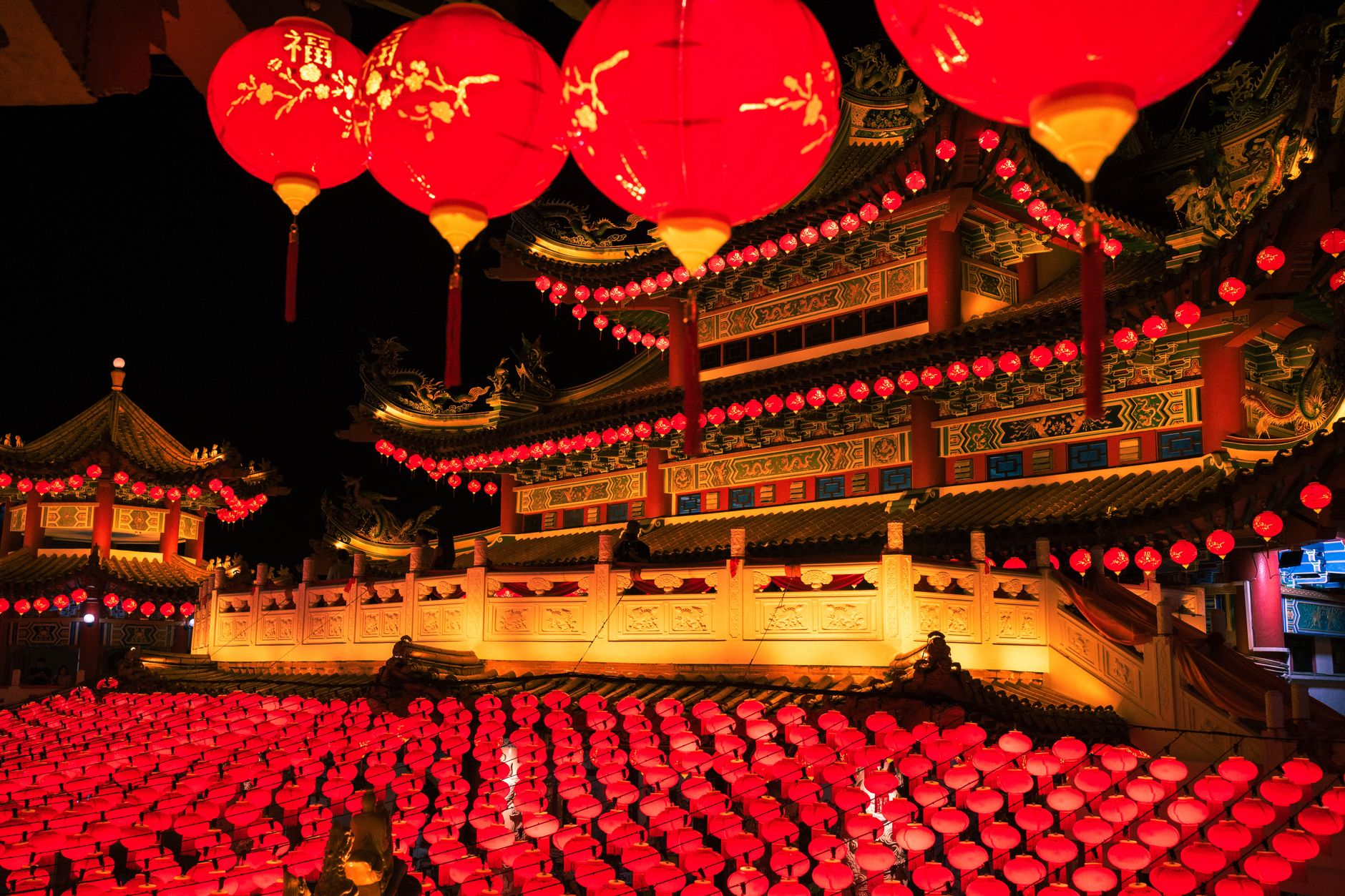
12 Basic Colors in Chinese
Color words in Chinese carry far more cultural weight than in English. While English speakers think of colors as simple descriptors, Chinese colors are loaded with symbolism, superstition, and centuries of cultural meaning. Learning colors is not just vocabulary — it is a window into Chinese worldview.
| Color | Chinese | Pinyin | Cultural Hint |
|---|---|---|---|
| 红色 | hóngsè | Luck, celebration, happiness | |
| 蓝色 | lánsè | Calm, healing, melancholy | |
| 绿色 | lǜsè | Nature, but green hat = cheated on | |
| 黄色 | huángsè | Imperial, noble; also = vulgar content | |
| 白色 | báisè | Mourning, death, funerals | |
| 黑色 | hēisè | Evil, corruption, darkness | |
| 粉色 / 粉红色 | fěnsè / fěnhóngsè | Romance, femininity | |
| 紫色 | zǐsè | Nobility, spirituality | |
| 橙色 | chéngsè | Warmth, harvest | |
| 灰色 | huīsè | Neutral, dull, discouraged | |
| 棕色 / 咖啡色 | zōngsè / kāfēisè | Earth, natural | |
| 金色 | jīnsè | Wealth, prestige |
Notice that most colors add 色 (sè, color) as a suffix when used as nouns: 红 (red as adjective) → 红色 (the color red). In casual speech, 色 is often dropped. Use our Pinyin Converter to check pronunciation of any color word.
Some traditional color terms differ from their modern equivalents. The character 青 (qīng) is one of the most fascinating examples. In classical Chinese, 青 could refer to blue, green, or even black depending on context. The sky was 青天 (qīng tiān), grass was also 青草 (qīng cǎo), and young people were called 青年 (qīngnián) — literally "green-blue year" — suggesting vitality. Modern Mandarin has settled on more specific terms: 蓝 for blue and 绿 for green. However, 青 survives in many compound words like 青菜 (green vegetables), 青春 (youth), and 青铜 (bronze, literally "green copper"). Understanding these traditional terms helps you read classical poetry and recognize older vocabulary that still appears in everyday speech.
Another traditional distinction worth knowing is between 红 (hóng) and 赤 (chì). Both mean red, but 赤 is the older, more literary term. You will encounter 赤 in formal expressions such as 赤字 (chìzì — deficit, literally "red characters"), 赤道 (chìdào — the equator), and 赤子之心 (chìzǐ zhī xīn — a pure, innocent heart). Meanwhile, 玄 (xuán) was the ancient word for black, preserved in words like 玄关 (xuánguān — entryway) and 玄妙 (xuánmiào — mysterious). Recognizing both modern and classical color vocabulary greatly expands your reading ability across different registers of Chinese.
How to Use Colors in Sentences
Colors function as adjectives in Chinese, but they follow different grammar patterns depending on whether you use them before a noun or in a descriptive sentence.
| Pattern | Example | Pinyin | English |
|---|---|---|---|
| Color + 的 + noun | 红色的花 | hóngsè de huā | Red flower |
| Noun + 是 + color + 的 | 天空是蓝色的 | tiānkōng shì lánsè de | The sky is blue |
| Short form (no 的/色) | 红花 | hóng huā | Red flower (literary) |
| Question | 这是什么颜色? | zhè shì shénme yánsè? | What color is this? |
| Preference | 我喜欢蓝色 | wǒ xǐhuan lánsè | I like blue |
One important grammar point: single-character colors like 红, 蓝, 绿, and 白 can modify nouns directly without 的 when the combination is a common pairing or set phrase: 红花 (red flower), 白云 (white cloud), 蓝天 (blue sky). However, two-character color words (like 红色, 蓝色) or less common color-noun pairings typically require 的 as a connector: 红色的裙子 (red dress), 蓝色的书包 (blue backpack). When describing something whose color surprises you or needs emphasis, always use the full form with 的 to sound natural.
Colors also function differently when used as verbs to describe a change of state. You can say 脸红了 (liǎn hóng le — the face turned red / blushed) or 树叶黄了 (shùyè huáng le — the leaves turned yellow). In these constructions, the color word acts as a verb meaning "to become [color]," with 了 (le) marking the completed change. This pattern is very common in spoken Chinese and adds expressiveness to descriptions of nature, emotions, and cooking. For example, 苹果红了 (the apple has ripened / turned red) uses color as a verb to indicate the fruit is ready to eat.
Describing Shades and Tones
Chinese has a systematic way to describe color shades using modifier words before the base color.
| Modifier | Pinyin | Meaning | Example |
|---|---|---|---|
| 深 | shēn | Deep / dark | 深红 (dark red / crimson) |
| 浅 | qiǎn | Light / pale | 浅绿 (light green) |
| 鲜 | xiān | Vivid / bright | 鲜红 (bright red) |
| 暗 | àn | Dark / dim | 暗红 (dark muted red) |
When shopping for clothes or home goods, these shade modifiers become essential. You might ask a shop assistant 有没有浅一点的?(yǒu méiyǒu qiǎn yīdiǎn de? — Do you have something a bit lighter?) or 这个颜色太深了 (zhège yánsè tài shēn le — This color is too dark). For more precise descriptions, Chinese also uses compound color terms that combine two colors: 蓝绿色 (blue-green / teal), 黄绿色 (yellow-green / chartreuse), and 红棕色 (reddish-brown / auburn). Fashion and design contexts also borrow descriptive terms like 米色 (mǐsè — beige, literally "rice color"), 酒红色 (jiǔ hóngsè — wine red / burgundy), and 天蓝色 (tiān lánsè — sky blue).
Cultural Symbolism of Colors
Color symbolism in Chinese culture runs far deeper than Western associations. These meanings affect everything from wedding planning to business presentations to gift wrapping.
Black (黑, hēi) carries largely negative connotations in Chinese culture, associated with darkness, evil, corruption, and illegal activity. The word 黑 appears in terms like 黑社会 (hēi shèhuì — organized crime / underworld), 黑心 (hēixīn — black-hearted / unscrupulous), and 黑客 (hēikè — hacker). However, black is considered a perfectly normal clothing color and does not carry the same funeral associations as white. In fact, modern Chinese fashion embraces black clothing just as much as Western fashion does. The negative symbolism applies more to figurative language than to literal objects.
Gold (金, jīn) and purple (紫, zǐ) both carry deeply positive associations. Gold represents wealth, prestige, and success. Businesses often incorporate gold into their branding, and the phrase 金玉满堂 (jīn yù mǎn táng — gold and jade fill the hall) is a blessing for abundance. Purple has historically been linked to nobility and divine favor. The Forbidden City was once called 紫禁城 (Zǐjìnchéng — Purple Forbidden City), and the North Star was known as 紫微星 (Zǐwēi Xīng — Purple Subtlety Star) in Chinese astronomy, believed to be the heavenly emperor's residence. Today, purple is widely used in branding and design to suggest elegance and premium quality.
Colors in Daily Chinese Life
Colors appear constantly in everyday Chinese vocabulary, often in ways that reveal cultural priorities.
| Chinese | Pinyin | Literal | Actual Meaning |
|---|---|---|---|
| 红包 | hóngbāo | Red envelope | Gift money (physical or digital via WeChat) |
| 红茶 | hóngchá | Red tea | What English calls "black tea" |
| 黑市 | hēishì | Black market | Same meaning as English |
| 白酒 | báijiǔ | White alcohol | Strong Chinese liquor (clear, 40-60% ABV) |
| 黄金 | huángjīn | Yellow gold | Gold (the precious metal) |
| 绿卡 | lǜkǎ | Green card | Permanent residency card (same as English) |
| 蓝牙 | lányá | Blue tooth | Bluetooth technology |
An interesting cultural note: what English calls "black tea" is 红茶 (red tea) in Chinese, because Chinese names the tea by the color of the liquid, not the dried leaves. Similarly, "green tea" (绿茶) matches in both languages.
Colors play a critical role in what to wear for major Chinese events. At weddings, guests should wear bright, warm colors — red, pink, or orange are all welcome. Avoid wearing all white (funeral association) or all black (too somber for a celebration). The bride traditionally wears red, though modern Chinese brides often have both a white Western-style gown and a red qipao for different parts of the ceremony. At funerals, white is the dominant color. Close family members wear white from head to toe, and guests typically wear subdued colors — white, gray, or dark blue. Red is absolutely forbidden at funerals as it represents happiness and celebration. During Chinese New Year, red is the color of choice for clothing, decorations, and gifts. Many families buy new red outfits for children, and homes are decorated with red couplets, lanterns, and paper cutouts.
When shopping in Chinese, knowing color vocabulary helps you describe exactly what you want. Useful phrases include 这件有别的颜色吗?(zhè jiàn yǒu bié de yánsè ma? — Does this come in other colors?), 我想要深一点的蓝色 (wǒ xiǎng yào shēn yīdiǎn de lánsè — I want a slightly darker blue), and 这两个颜色哪个好看?(zhè liǎng gè yánsè nǎge hǎokàn? — Which of these two colors looks better?). At markets and shops, you will also hear color used to describe freshness: 这鱼眼睛很亮,颜色很红 (this fish has bright eyes and red color) signals freshness, while 颜色发黄 (the color has gone yellowish) suggests something is stale or aging.
Color Idioms and Expressions
Chinese color idioms (成语) add richness to conversation and writing. These four-character expressions are widely used and recognized.
| Idiom | Pinyin | Literal | Meaning |
|---|---|---|---|
| 红红火火 | hóng hóng huǒ huǒ | Red red fire fire | Booming, prosperous, thriving |
| 青出于蓝 | qīng chū yú lán | Blue from indigo | Student surpasses the teacher |
| 黑白分明 | hēi bái fēnmíng | Black white clearly separated | Clear distinction between right and wrong |
| 万紫千红 | wàn zǐ qiān hóng | Ten-thousand purple thousand red | A riot of colors; great variety and beauty |
| 灰心丧气 | huī xīn sàng qì | Gray heart lost spirit | Discouraged, disheartened |
| 白手起家 | bái shǒu qǐ jiā | White hands build a home | Start from nothing; self-made success |
Beyond these well-known idioms, color expressions appear constantly in everyday conversation. 一清二白 (yī qīng èr bái — one clear two white) means completely innocent or transparent, often used when someone wants to prove they have nothing to hide. 面红耳赤 (miàn hóng ěr chì — face red ears crimson) describes someone blushing from embarrassment or arguing heatedly. 姹紫嫣红 (chà zǐ yān hóng — gorgeous purple, brilliant red) paints a picture of flowers in full bloom and is commonly used in poetry and literature. Learning these expressions not only enriches your vocabulary but also reveals how deeply color perception is embedded in Chinese thought and communication. When Chinese speakers want to describe a prosperous business, they say 生意红火 (shēngyì hónghuǒ — business is red-hot). When they describe feeling down, 心情灰暗 (xīnqíng huī'àn — mood is gray and dark) captures the emotion perfectly.
Color Taboos and Gift-Giving
Understanding color taboos prevents embarrassing mistakes in Chinese social situations, especially when giving gifts or attending important events.
- White wrapping paper for gifts
- Green hats (of any kind)
- Black or white flowers (except funerals)
- Writing names in red ink (death association)
- All-white outfits to celebrations
- Red wrapping paper for gifts
- Red envelopes for money gifts
- Gold/yellow for prosperity themes
- Pink for romantic occasions
- Red outfits for Chinese New Year
One particularly important taboo: never write someone's name in red ink. In Chinese tradition, the names of the deceased were written in red on memorial tablets and records. Writing a living person's name in red is like wishing them death. Use black or blue ink instead.
Gift wrapping color matters more than most foreigners realize. Red and gold wrapping paper signals celebration, good fortune, and respect. Pink is acceptable for romantic gifts and birthdays. Yellow conveys warmth and friendship. White and black wrapping should be strictly avoided for happy occasions — they will immediately remind the recipient of funerals and mourning. Even the color of the bag you carry the gift in matters. Many stores in China automatically provide red gift bags during holidays, understanding this cultural expectation. When in doubt, red is always the safest and most appreciated choice for any positive occasion.
Colors in Nature and Food
Colors help describe food, seasons, and nature in Chinese, creating vivid imagery in conversation.
- Seasons: 春天 (spring) = green 绿色, 夏天 (summer) = red 红色, 秋天 (autumn) = golden 金色, 冬天 (winter) = white 白色
- Food descriptors: 红烧 (red-braised), 白切鸡 (white-cut chicken), 金针菇 (golden needle mushroom), 黑木耳 (black wood ear fungus)
- Chinese Five Elements: 金 (gold/metal), 木 (green/wood), 水 (black/water), 火 (red/fire), 土 (yellow/earth)
The Five Elements color system (五行, wǔxíng) deserves special attention because it connects colors to an entire philosophical framework that influences traditional Chinese medicine, feng shui, and even personality analysis. Each element has a corresponding color, direction, season, and organ: Wood (木) is green and governs the east, spring, and the liver. Fire (火) is red and governs the south, summer, and the heart. Earth (土) is yellow and governs the center and the spleen. Metal (金) is white or gold and governs the west, autumn, and the lungs. Water (水) is black and governs the north, winter, and the kidneys. This system means that color choices in architecture, clothing, and interior design can carry philosophical meaning for those who follow traditional practices.
Food vocabulary in Chinese is particularly rich with color references. Many dish names include colors that describe their appearance or cooking method. 红烧肉 (hóngshāo ròu — red-braised pork) is one of China's most famous dishes, with "red" referring to the dark soy sauce glaze. 白切鸡 (báiqiē jī — white-cut chicken) is poached chicken served plain, letting the natural flavor shine. 翡翠虾仁 (fěicuì xiārén — jade shrimp) describes shrimp cooked with green vegetables to resemble precious jade. 金银馒头 (jīnyín mántou — gold and silver steamed buns) are half-fried, half-steamed buns showing both golden and white colors. When reading Chinese menus, recognizing these color words helps you picture the dish before it arrives at your table.
Start Learning Color Vocabulary
Practice one new color character daily with Daily Character, browse color-related vocabulary in the HSK Vocabulary browser, and use the Pinyin Converter to perfect your pronunciation. Read our Chinese culture guide for more cultural context, and explore common Chinese characters to see how color radicals build into other words.
🔧 Try These Tools
Frequently Asked Questions
Why is red so important in Chinese culture? ▼
Red (红/紅, hóng) symbolizes luck, prosperity, happiness, and celebration. It dominates weddings, Chinese New Year, and festivals. Red envelopes (红包) contain gift money. Brides traditionally wear red. The Chinese flag is red. It is deeply woven into every aspect of Chinese life and represents the most auspicious energy.
Why is white associated with death in Chinese culture? ▼
White (白, bái) is the traditional color of mourning and funerals in Chinese culture — the opposite of Western tradition where white means purity. Funeral attendees wear white, and white flowers (especially chrysanthemums) are for mourning. Avoid giving white-wrapped gifts unless certain of the context.
What does wearing a green hat mean in Chinese? ▼
戴绿帽子 (dài lǜ màozi — wearing a green hat) means being cheated on by a romantic partner. This idiom dates back centuries and is extremely well-known. Avoid giving green hats as gifts in Chinese culture. The association is so strong that even green hat emojis can cause awkwardness.
How do I describe colors in Chinese — light and dark shades? ▼
Add 深 (shēn — deep/dark) or 浅 (qiǎn — light/pale) before the color: 深蓝 (dark blue), 浅绿 (light green). For very bright colors, use 鲜 (xiān — vivid): 鲜红 (vivid red). For "color" in general, use 颜色 (yánsè).
Are color meanings different in Taiwan vs mainland China? ▼
The core symbolism is the same (red = luck, white = mourning). However, Taiwan uses traditional characters (紅 vs 红). Some modern color terms differ: purple is sometimes called 紫色 universally but fashion terminology may vary. Cultural taboos around colors are consistent across both regions.
Language Education Specialist
Yang Lin is a Taiwan-based bilingual educator specializing in Mandarin Chinese and Japanese instruction. With over 10 years of experience helping learners worldwide master East Asian languages, Yang creates practical tools and structured study guides that make language learning accessible, effective, and enjoyable. She holds a degree in Applied Linguistics and has taught students from more than 20 countries.
🗾 Interested in Japanese? Read our Japanese learning blog →